Here's a semi-comprehensive review/summary of the winter S2H course, as form finishes out his posts I am sure more will come to mind.
In short, it's the best shooting course I have ever attended (approx a dozen different courses over the years); and we covered WAY more than just shooting. The other shooters all showed up prepared for warmer winter weather (aka spring weather), but as mid-week got closer the forecast plunged back down to real winter conditions and gave us a few days of 'the good shit'.
We spent days on the flat range working on the fundamentals of marksmanship, building & rebuilding shooting positions hundreds of times both on the timer and off. The guys running the class were extremely knowledgeable and were quick to offer tips to improve every aspect of your shooting. When asked questions, they had answers; and if they didn't know they stopped to think it through and work the problem to get to the crux of the issue. Their approach to teaching was refreshing and seemed to resonate very well with our group.
Gun failures that 'never happen' on the internet raised their head right out of the gate, with the two 700-based actions having issues literally from the first rounds fired in the pretest. The Tikkas were almost all trouble-free, with form's Trusty Rusty Rifle giving us an impromptu lesson in antenna-based gunsmithing and some of my AICS mags giving me reps on clearing FTFs. After switching to a proven 10 rd AICS mag, I had no more issues in my .223.
@longrangelead was on hand to help break and fix anything that came up, along with shooting the course and helping teach. Once the nitrided Ravens showed up, he spun barrels on in the garage while we all bullshitted and learned what we could.
After shooting all day Thursday, a quick dinner and we were back outside, shooting under truck headlights until 11PM. This not only got us more time behind the guns in the cold, but also highlighted differences between light-gathering capabilities of the different scopes on hand. Even scopes with the same size objectives will have different glass quality and lens coatings, thus giving different performance. This doesn't even go into the differences in reticles and how that will influence the mag needed for accurate hits on target.
Once the work was done being put in on the range, we headed into the hills. Our range work had included wind calls thanks to shitty BCs and high winds, which accelerated our shooting process once we got in position. With some coaching on how to talk your shooter or spotter onto target, we immediately got to work truing rifles and hitting 1-3 MOA snow patches at ranges from 400 to over 700 yards. The shooter-spotter dialog was instrumental in first round hit rates being high, and any corrections were quick and easy to communicate to the shooter. Not enough can be said for the deliberate manner in which that is taught and put to use; I have no doubts that skill alone will account for more dead animals and quicker, more accurate follow-up shots when needed.
As previously stated, the course covered shooting and much, much more. From gear choices to gear placement in and outside your bag, to what needs to be on-hand in your bino pouch, to protocols when things start going wrong in inclement weather, it was covered. I like to think I am a gearhead and have all my shit dialed given that I live at 8,000 ft in the mountains and spend almost every day outside in the weather, from work to animals to hunting to shooting for fun. This course showed me that while most of my gear is pretty good, some of it needs to be better if I truly want to be comfortable when the conditions get really shitty.
Some things I think get understated or undersold -
THE FOOD
View attachment 1027082
View attachment 1027083
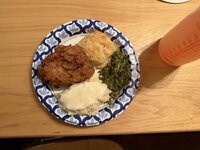
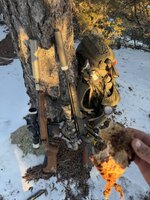
Every bit of food was delicious, with Camille coming to cook on site multiple days and leaving us with pre-cooked (still incredible, just needed heat) meals in large serving trays for the other days. I cannot say enough about the quality of dinner every night, I do not think a single person had any food left on their plate or room in their stomach after a meal. I would attend the course again just to eat dinner. Personal highlight was fried chicken and a chocolate chip cookie, served over a wood RS Lite/S2H scope and a Marshall with a side of Terratorn. IYKYK.
View attachment 1027085
THE PEOPLE
We had shooters from all over the country, and 3 of the 6 had previously attended a S2H course or bear hunt. I could not ask for better classmates, both in shooting skill and quality of character. Everyone came with an open mind and a willingness to learn and put in work. There was always a line of people willing to clean dishes after meals and offer help in whatever fashion was needed. Shitty weather can make or break some people, I think the winter course self-selects for people that are willing to suffer to get better. To my fellow students, thank you for a great week. I look forward to hunting and shooting with all of you in the future.
The teachers were all top notch both in quality of character and level of instruction. They were willing to learn as much as teach, something that has not been common in other shooting courses I have attended. I feel they genuinely wanted us to improve throughout the week, giving feedback in whatever form was necessary to get the point across.
If you're attending in the future, bring your big boy shoes and some thick skin. Feedback can be very direct at times, but is not personal. All who attended had a great sense of humor and took feedback well.
THE GEAR
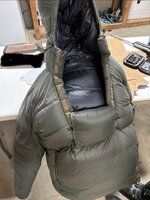
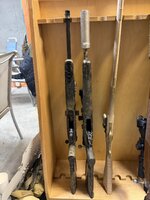
I can only speak for our course, but we got exposed to quite a few products in various stages of development. It was great to be able to see what is on the horizon, and give feedback direct to those who have the authority to make changes. There were Raven actions, S2H scopes, the new puffy, and multiple iterations of the Triple 6 suppressor from US, along with RS Lites and all kinds of wood stocks from
@longrangelead, along with private conversations about items that may be forthcoming in the future.
Whole lotta good here
View attachment 1027106
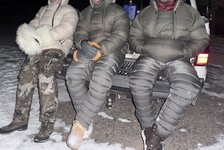
The best puffy I have ever worn
View attachment 1027103
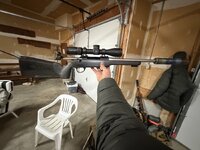
18" barrel & Griffin taper adapter vs 16" barrel & Triple 6 suppressor vs 3 mile long flinch-lock.
View attachment 1027107
Most of my personal gear fared well in the course, with the rewarming drill showing the greatest deficiencies. My Kifaru LPP pants, while warm, did not fully dry out even overnight by a wood fireplace. In contrast, the treated down puffy retained the majority of it's loft and was ready to go again after just a few hours. I was dumb and forgot to pack my typical thin wool base layer top, the 240 weight wool mid-layer I had on did not dry out in the drill along with my wool hybrid grid fleece. I was warm due to the puffy & SG 0* bag, but completely drying my gear out would have been an all-night affair requiring lots of coffee and food to keep my metabolism going.
I will be adding a ventile cotton top to my gear this off-season. It was immediately apparent the difference in durability vs a hardshell, along with easier repairs when the inevitable happens and it tears or abrades. I will also be picking up a set of Mukluks or the Vivo Tundras. My feet were not cold in my Crispis, but they were not warm either. I have had issues with cold feet on previous hunts during long glassing sessions, both of the other options appeared vastly superior in comparison.
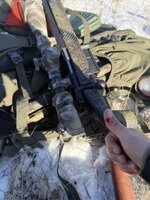
Scope Bumpers performed well for keeping lenses clean, but inadequate clocking of the ocular cap led to multiple people's thumbs looking like this once rifles were run hard. Break your caps in with a few hundred cycles before use, as the stiffness of release cost me a few seconds on a handful of drills. Both caps should be clocked as much or more than the below picture shows (they clock in opposite directions to allow faster release).
View attachment 1027118
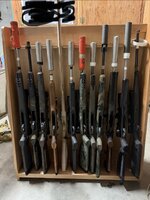
Rokstoks and RS Lites were very well represented here, with a few more traditional stock shapes represented on hunting rifles. I will let the shooters chime in with their direct comparisons, but will state from the outside the difference in recoil was readily apparent.
View attachment 1027128
I will add more as it comes to mind, and am happy to answer any questions I can. The cost of the course is steep both in $ and in time, but I think it is the best use of hunting-related money I have spent. Every student improved throughout the week, and left with the tools to keep improving in the off-season. More animals will die in less time this year with more comfortable shooters in shitty conditions thanks to what we learned last week.
Thank you again to all involved.