OKHunter84
WKR
- Joined
- May 7, 2023
- Messages
- 845
I'm not sure. We store everything in the warehouse before it goes out.What do you think the consequences are of grocery stores storing bottled water outside where it gets hammered by the sun all day?

Follow along with the video below to see how to install our site as a web app on your home screen.
Note: This feature may not be available in some browsers.
I'm not sure. We store everything in the warehouse before it goes out.What do you think the consequences are of grocery stores storing bottled water outside where it gets hammered by the sun all day?
We test for chlorine every shift, has to be less then 0.08 ppm and is typically much lower then that (0.002 ppm). The in line sensor and the handheld have to be within +-0.04ppm. There are redundancies with all the testing which is being checked at the water farm after it's been purified by reverse osmosis and then at the filler with the water quality management system. Either should shut the line down if they get too far out of spec.Tell me what you're considering bacteria. I work in water distribution and obviously if you're using tap, there has to be a chlorine risidual. Municipal water is tested for total coliform regularly which is an indicator for certain types of bacteria. That's about all that they care about. Yearly, you must report results from other tests such as lead, etc..
The benefits of flouride for children far outweigh any risk to a few points of IQ......of course in the proper %. Would you rather have a handful of kids with a few points lower IQ, meaning nothing in reality, or all kids walking around with rotted or no teeth? Yeah, keep reading bullshit!

Did anyone read this? I got on my wife, a dentist for this. She is very hippy dippy, yet isn’t anti fluoride. The drop is a supposed 4IQ point variance and they couldn’t specifically point to fluoride, I wouldn’t say that it is the damming evidence that some think it isI'd be more concerned with fluoride in your drinking water.
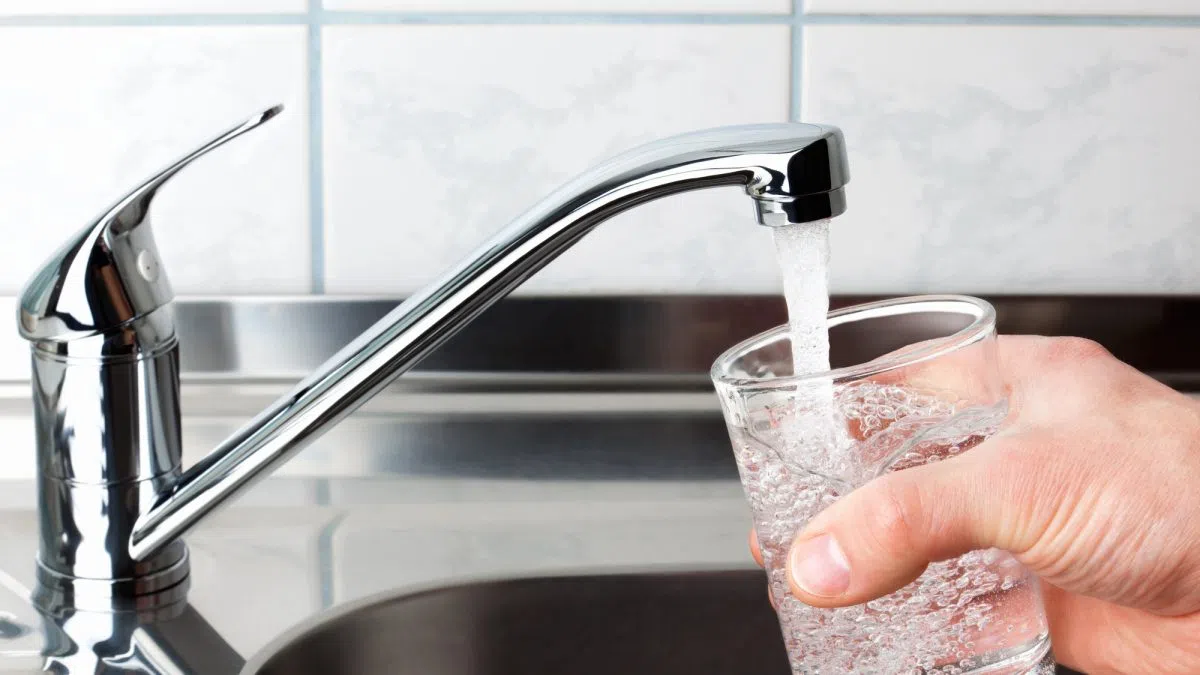
National Toxicology Program Study: Fluoride Found In Drinking Water Connected To Lower IQ In Kids
WASHINGTON D.C (WSAU) - A newly released US government analysis found a connection between children's lower IQ...wsau.com

I suggest reading that court case. We have taken a more stringent stance on other chemicals for less material IQ reductions.Did anyone read this? I got on my wife, a dentist for this. She is very hippy dippy, yet isn’t anti fluoride. The drop is a supposed 4IQ point variance and they couldn’t specifically point to fluoride, I wouldn’t say that it is the damming evidence that some think it is

I’m sure your company as major brand holds themselves to a higher standard, which is great, and rules for contaminant levels are more or less comparable between FDA (bottled water) and EPA (tap water). BUT the FDA generally requires less sampling and less transparency. For example, E. coli weekly testing for bottlers while utilities test more frequently (except for tiny wells). And you can easily look up water utilities test results and violations. I’m not aware of anything similar for bottlers.I work for the largest private water bottling company in north America. The water we bring into our plants is local tap water unless it's spring water and then it's trucked in. The specific plant I work in the water comes in somewhere around 135 ppm of particles or bacteria and after we've purified it, that number is 6 ppm. The standards for testing and quality control for bottled water are much higher then tap water. You wouldn't want to drink water straight from the line due to ozone being added to further ensure that all bacteria is killed. The normal dissipation time for the ozone is 48 hours and longer in the winter months due to the cold.
How was the 547 days arrived at? Is that the best case scenario in ideal conditions, the average case, or worst case scenario? That doesn’t really seem to be borne out by the article cited in the beginning or publicized tests like this one.The reason bottled water has a best by date is not due to the water expiring but the plastic starts breaking down after 547 days. Even though we have water lines that are capable of making 200k bottles per hour, every bottle has a date code that is updated to the minute that the bottle was made.
Serious question - what do you drink? I’m looking at some filter options for my tap water (including activated alumina filters), or maybe having drinking water (ideally without fluoride) delivered in the large jugs. I don’t have any kids anymore, but if I’m wrong and none of what’s in the tap water is bad for me, then I’m only out money. (I’m not worried about my personal dental risk.)We test for chlorine every shift, has to be less then 0.08 ppm and is typically much lower then that (0.002 ppm). The in line sensor and the handheld have to be within +-0.04ppm. There are redundancies with all the testing which is being checked at the water farm after it's been purified by reverse osmosis and then at the filler with the water quality management system. Either should shut the line down if they get too far out of spec.
I was saying all this to say, that bottled water is much safer to drink then tap water. Yes the plastic breaks down after a year and a half (547 days) and you should drink it before. There are plastic liners in aluminum cans, so even if you're drinking liquid death, you're still ingesting plastic.
I’m with you guys, yet don’t you think that possibly the drop in IQ could also be attributed to micro plastics?I suggest reading that court case. We have taken a more stringent stance on other chemicals for less material IQ reductions.

I’m with you guys, yet don’t you think that possibly the drop in IQ could also be attributed to micro plastics?
there are plenty of other studies that also link fluoride to IQ loss in children.Did anyone read this? I got on my wife, a dentist for this. She is very hippy dippy, yet isn’t anti fluoride. The drop is a supposed 4IQ point variance and they couldn’t specifically point to fluoride, I wouldn’t say that it is the damming evidence that some think it is
I'd have to do some digging as to how they came up with the 547 days. If it's like anything else with testing standards, I'm sure that is worst case scenario and most likely would be ok further out. Just like any other grocery item that has a best by date, you've most likely noticed a lot of items are good longer then the date given (except milk, I never trust milk). If it's stored outside in the heat and sun, of course it would degrade at a faster rate then something in a temp controlled room, indoors. Almost all of our facilities are not temp controlled with the exception of very hot and humid areas (Houston, new Orleans, Miami, etc).I’m sure your company as major brand holds themselves to a higher standard, which is great, and rules for contaminant levels are more or less comparable between FDA (bottled water) and EPA (tap water). BUT the FDA generally requires less sampling and less transparency. For example, E. coli weekly testing for bottlers while utilities test more frequently (except for tiny wells). And you can easily look up water utilities test results and violations. I’m not aware of anything similar for bottlers.
And the FDA lags behind the EPA in regulating compounds. Right now you can see this with PFAS — the EPA’s regulations are a bit complex but range from 2-5 parts per trillion for the six compounds they are targeting. The FDA is required to look into it since the EPA did, but hasn’t established anything yet.
How was the 547 days arrived at? Is that the best case scenario in ideal conditions, the average case, or worst case scenario? That doesn’t really seem to be borne out by the article cited in the beginning or publicized tests like this one.
We have a water softener at our home, but I opted not to buy the more expensive water purifier for the house. We have extra filters at the fridge and such for cooking. I drink bottled water and provide bottled water for friends and family if they ask. I made my mother throw away some she had stored in her cellar that was past the best by date.Serious question - what do you drink? I’m looking at some filter options for my tap water (including activated alumina filters), or maybe having drinking water (ideally without fluoride) delivered in the large jugs. I don’t have any kids anymore, but if I’m wrong and none of what’s in the tap water is bad for me, then I’m only out money. (I’m not worried about my personal dental risk.)

100% agree, as I sit here eating cheesecake...Instead of putting questionable chemicals in our water to fix problems. We could just cut back on all the excess sugars and crap food. You know-the real causes of all those cavities.....
It could be from a variety of sources, but the studies referenced in the decision (or at least most of them) compared two populations - ones that have fluoridated water, and another that doesn't. Presumably both groups have exposure to microplastics. The decision does not hold that fluoride causes the IQ drop - but only that there is enough of a risk that the EPA has to take more action - by rulemaking or otherwise.I’m with you guys, yet don’t you think that possibly the drop in IQ could also be attributed to micro plastics?
Sure, if it wasn’t stored in something that doesn’t add stuff back into the water and RO is the process in use. But, if plastics are observed in the population and tests of bottled water show plastics, I have my doubts that 547 day timeframeAs far as whether or not tap is better then bottled. We are taking water from a local utility and then further purifying it. If the FDA is requiring the local utility to do the testing you speak of and then we take it and purify it and test it further and reduce the particulates by a factor of 20x. You tell me which you'd rather drink?
They aren’t helping that’s for sure
Microplastics now make up .5% of the average American brain