need4sneed
FNG
- Joined
- Jul 21, 2024
- Messages
- 60
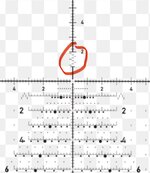
I’m looking to practice using my reticle to range deer (18” chest standard) while I can verify with a working rangefinder.
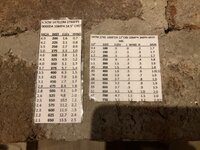
My thought is to keep a card (like dope) with:
“500/Mrad = yards” but also a listed chart of solved equations for yard increments 0-600.
Obviously a big part of this is to pattern in some memorization.
BUT, any considerations to the 18” belly to back variations (specifically, does and young deer to mature bucks).
Is there a known range point where reticle accuracy is completely compromised (on a 14x or 18x zoom max)?
Any other tips or experience to speak to?
Yes I had a rangefinder go down on me and yes I am very salty about it. Looking to add a parachute ranging plan to my skill set.
My thought is to keep a card (like dope) with:
“500/Mrad = yards” but also a listed chart of solved equations for yard increments 0-600.
Obviously a big part of this is to pattern in some memorization.
BUT, any considerations to the 18” belly to back variations (specifically, does and young deer to mature bucks).
Is there a known range point where reticle accuracy is completely compromised (on a 14x or 18x zoom max)?
Any other tips or experience to speak to?
Yes I had a rangefinder go down on me and yes I am very salty about it. Looking to add a parachute ranging plan to my skill set.