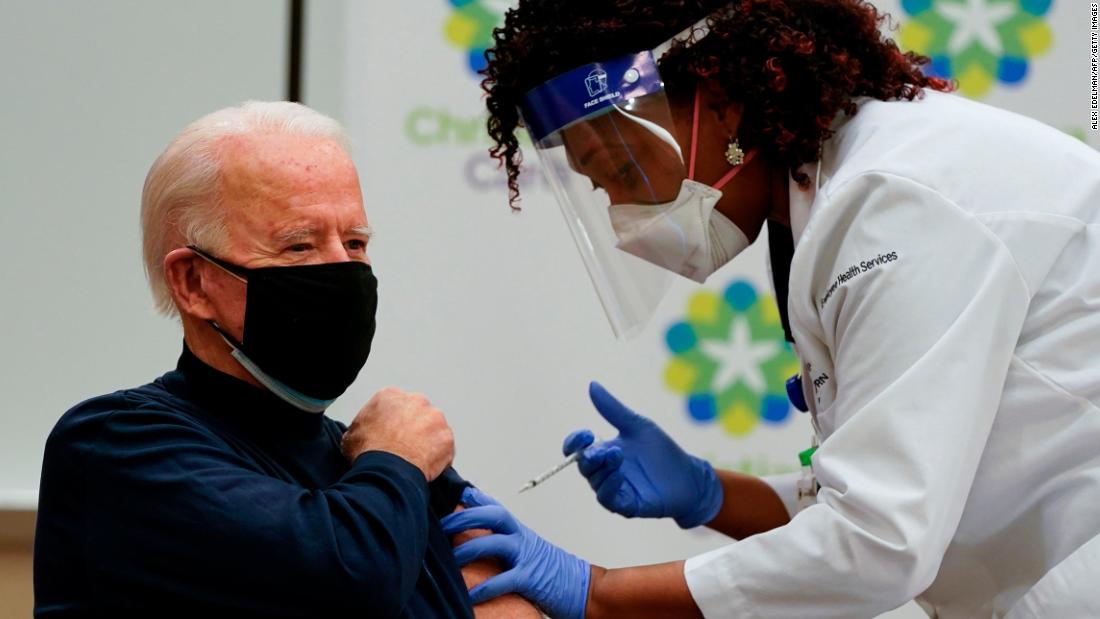
My sister-in-law works for a biomed company in Washington State that has been treating cancer using this RNA technology for years. She's a bio chemical engineer literally helping people cure cancer with customized treatments. They decode a person's dna and build a custom cancer treatment that targets the cancer cells and leaves all of the persons other cells intact. This RNA technology is NOT entirely new. It's just widely available to the masses in vaccine form.
I was skeptical of this vaccine at first, but her explanation helped me realize, a) there are WAY smarter people in the world working on this stuff and, b) I never fully understood the research process enough to not be a moron about why one should or should not get a vaccine, medicine, etc. In summary, here are 5 key points I gathered from her educating me:
1. 99% of the stuff on the internet is BS (imagine that). Most of the true research articles are behind a pay wall; pay money for those articles (sometimes a lot of money) or be a scholar, researcher, doctor, etc who's company/school pays a subscription. The news and other media outlines that summarize the research 90% of the time only read the abstract and have no business attempting to interpret the results as they are morons.
Ie, us regular folk do not get to see all of the stuff the smart people see, let alone understand it. I wouldn't trust any average Joe to make sense of it. After seeing some of her research papers, I'd spend the first 5 minutes googling 90% of the words in her first paragraph.
2. Vaccines are more effective at helping you survive a virus or have less symptoms, vs just getting it. Not going to explain why. Just that majority of scientists and doctors agree.
3. The side-effects are so rare, even the extreme ones, that it's pretty silly how scared many of us get. She had to break the statistics down into cave painting form for me to understand. Ie, it will be extremely rare for some people to have side effects.
There will be people who have side effects, it happens. My wife carries and EPI-pen, and was told to not take it by doctors because she has idiopathic anaphylaxis (she had bad cancer as a kid that wrecked her system). She is one of these uber rare people who may experience a side effect (she has a lot of uber rare stuff thanks to that cancer). But she's one of the few exceptions. 6 million people have been vaccinated.
4. Pharma is not always evil people trying to be evil, many of the people creating these drugs want to save lives (my sister-in-law wanting to cure cancer because her sister had it is proof, as are all the people she works along side). Yes they get rich off drugs, but I prefer money as a motivator vs some other sinister motive.
5. Most importantly, and this is synonymous with #1 above, the media sucks at explaining anything medical and research related.
I share to say please don't freak out over a vaccine. I fully am for discussing concerns. I had my own, but as I shared above I came to realize there is not so much to be concerned about other than fear itself. The speed of which the virus came available seems to be the most concerning to people. Did we move to quickly? Were corners cut, etc? Well, here's what I learned as that was my biggest fear:
My scientist sister-in-law, who also worked at the FDA for several years, explained there is so much bureaucracy and red-tape not related to the testing phases at the FDA that makes every drug take forever to get cleared. There is all sorts of research and medicine being conducted out there and going through FDA review. She argued if anything, this vaccine should prove how we could get other much needed medicines out to people faster, especially generics, red-tape of getting these things to market weren't so extreme. Apparently, this is why there is no generic epi-pen or other generic drugs for seemingly simple to make drugs that now cost a fortune. For example, it is too expensive for a cottage shop pharmacy company to spend 10 years and millions of dollars to make a generic EPI-pen.
My other concern I shared was how it sounded like people got super sick with the second round vacccine and if it would prevent spread. She had her thoughts on that too. Ie, we are again talking about the rare side-effects some people will experience. And again, that the media and average Joe journalist's are not interpreting the published data correctly. What a lot of people don't really pay attention to and forget to talk about with COVID-19, are the patients who get hit hard by COVID-19. She did agree the at-risk groups or the patient population groups who are getting the most sick (elderly and preexisting condition groups), should be prioritized. But it does make sense to give it to healthcare workers, becuase if they get it, the virus would be all beat up from the persons immune system and not spread as easily.
Her argument is you can risk getting a severe case of COVID, and risk spreading to someone who could end up in the ICU, or get a vaccine that may make you feel a little under the weather for a day worst case, and make COVID seem like a little cold or not felt at all when you do get it. I'll go with the latter.
Again, all this to add to the conversation. Don't get me started on the mask debate haha. I believe in science and facts and will change my opinion when the facts change. For which my sister-in-law would respond, "now you're sounding like a scientist and not a moron." Cheers!
Again, share as another perspective to add to the conversation.
*Updated: For the record, if you are still skeptical of the vaccine, I'm not calling you an anti-vaxxer. I fully support skepticism and don't think anyone should be labeled this or that automatically. This is a new experience for everyone. The above info is just what brought me to 'OK, the vaccine seems safe enough for me.'




 www.google.com