I'll have to look at the tune tunes, sounds interesting and didn't know they existed. I just use plain adjustable blocks on my hunting rifles now since they don't get high round count. The defense guns all have the Superlative Arms bleed off blocks, supposedly the bleed off mode self cleans unlike the normal restrictive blocks. Curious about the tunes now though.
It's been an evolution for me. I'll share a little detail here, in case it might help anyone with AR gas systems...
My primary go-to AR is an ultralight with an adjustable BCG from 2A Armament. That BCG is super easy to tune to run reliably, without even disassembling it - but as an ultralight BCG, it needs to be. Slides and BCGs need to have enough mass and velocity to strip a round off a full mag and chamber it, but if you reduce the mass, that means you need to increase velocity of the moving parts, or increase the energy applied to and by the springs. Which also means messing with springs and the amount of energy applied the moving parts - just to keep everything balanced and reliable. As a general rule in ARs, it's best to keep the BCG, spring, buffer, etc milspec, just to keep these variables balanced, otherwise you end up chasing your tail in fixing cycling and reliability problems.
This 2A Armament BCG controls the gas flow right at the gas key with an adjustable valve - that means it's controlling the amount of energy applied to the moving parts, by restricting the gas flow down into the internal piston. Adjustable gas blocks regulate that volume at the barrel's gas port, at the expense of a heavier gas block. Moving that adjustment to the BCG means the same amount of (excessive) gas was coming down the gas tube as normal.
And instead of that gas going down the gas key and into the internal piston to be vented out the ejection port (under much lower temperatures and pressures), the more the valve is closed at the gas key the more high-pressure/high-temp gas is blown right back out the front of the gas key, all over the bolt, cam pin, cam channel, and along the raceways in the front half of the upper. Key places with lots of friction surface, getting blasted with friction contaminant. Suppressed, it's insanely filthy - just about the worst I've ever seen. It also had the side benefit of being pretty optimal for testing lubricant endurance and performance. Especially with the BCG also being lightweight.
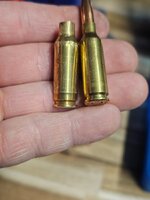
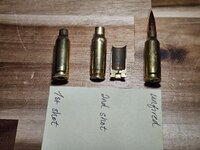
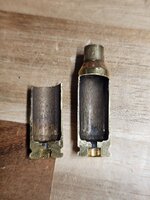
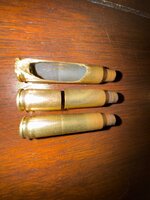
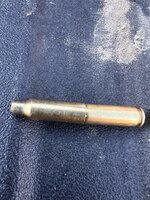
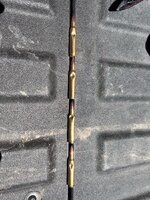
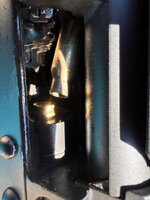
To fix the gas and filth though, I didn't want the weight of an adjustable block (it's got a skeletonized titanium one on it), and went with the BRT tube. It cut down on the filth and gas quite a bit. This particular gun is an elegant, smooth joy to shoot, as far as ARs go, but it's more like a fine touring car, with limitations, than a Tacoma you barely have to think about maintenance for. Great for coyotes, but not the first one I'd send someone off to the trenches with. Since using the EZTune tube on it though, I've installed a couple of other BRT tubes, and have pretty much moved away from adjustable blocks entirely. This one adjustable block failing on me recently was a bit of a wakeup call, actually - I had to use an old M16 cleaning rod to pop the 2 casings out of the chamber. It was on a gun I thought was pretty damned reliable, with thousands of rounds on it. But it happened out of the blue in the course of 1 mag.