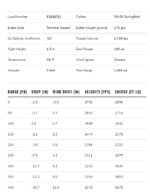
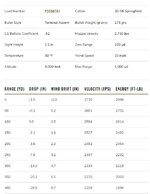
I personally run a DOPE chart. I then print them off for different elevations and temp ranges for my hunts. I think I have charts for every 2,000 feet and then for each elevation I have a couple different cards for temperature.
To me the dialing is the same...minus maybe 2 or 3 seconds I have to check dope. BUT...while hunting and moving in on an animal I usually know about how close I can get and put that distance +/- 100yds in my head from my dope sheet. So once I get to where I want to be and range the animal most the time I don't have to check my chart anyways I have the ranges I need memorized.
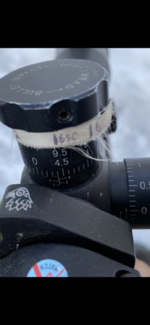
I have a couple buddies that have customer dials on their Leopold scopes and it works well to hit a 8 inch plate at 500 yards but mine in more precise.
Also, are you using factory or hand loads? Some hand loads have a range off close to 100 fps with the average marked on the box. So from one lot to the next it could be 100fps off. Add in that difference + your group size + differences in environmentals + shooting from hunting positions.
Dope cards like that are a good idea.
Keep watching the Tips I do every week. Eventually I will break this stuff down. But for now, here is a start.
DOPE cards are really simple. You just need to know the air density. Air density is a factor of air pressure, temperature and humidity. Humidity has such a small effect that if you set it at 50% it will be fine.
Elevation plus temp is OK, but using elevation is just a rough measure for air pressure. Air pressure stays relatively steady at elevation, but can fluctuate at highs and low pressure systems with weather.
Absolute Pressure/Station Pressure is what air pressure is called. Using it and Temp is best.
Density Altitude is a formula that combines Absolute Pressure and Temp to one number. My Fenix 5 does it, but I use the separate "Tempe" because my internal watch sensor is affected by the temperature of my wrist/body.
If you have a Garmin Fenix or other device that will give you station/absolute pressure that is better to combine with temperature. And, you can just do Density Altitude cards. I have a widget that gives me density altitude.
Ultimately, getting a Sig Kilo 2000, 2200, or 2400 BDX is a stupid simple solution for getting your dope immediately inside 600 yards.
And, remember, besides air density, there is also line of sight distance versus actual horizontal distance of the shot, so make sure your rangefinder has an inclinometer.
There are just so many things that come into play that you have to really be on your game not to compound errors into a clean miss that you might not understand. I still miss when I practice in field positions. Most often these days it is because of fundamentals of marksmanship issues, but I still have other brain fart errors.
It is exactly because I do it regularly and still screw up that I caution and have reservations about solutions like a CDS. A large majority of people asking about the dial are just getting into long range shooting, and the companies and people selling them aren't interested in explaining the drawbacks of the system.