Continued... Message was too long.
You said: calculate velocity, drop, and wind drift in MIL out to 1,000 yards with 50 yard increments.
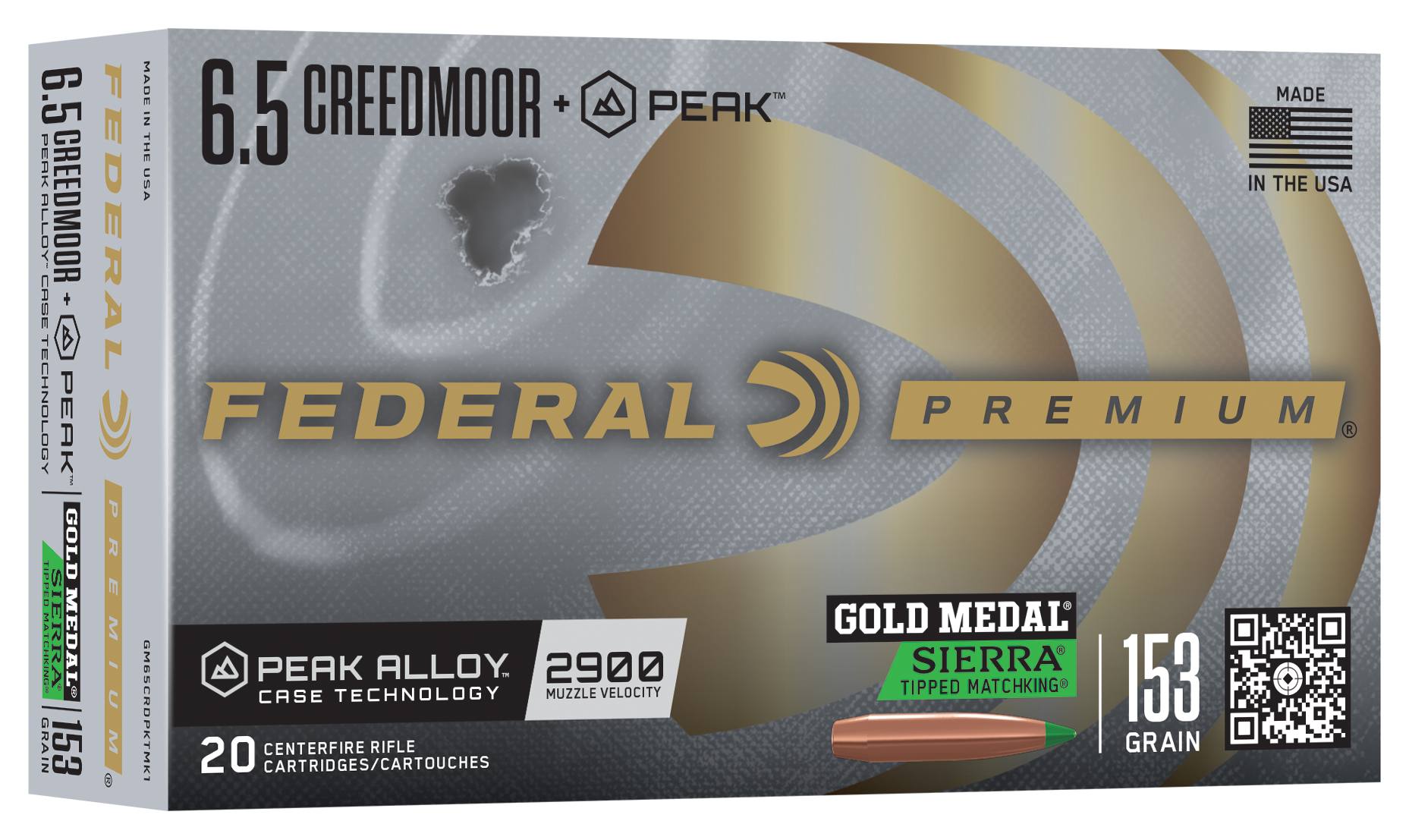
The ballistic table below is calculated for the Sierra 6.5mm 153-grain Tipped MatchKing (TMK) fired at an optimized muzzle velocity of 2,950 fps. [1]
The calculations utilize the manufacturer's official G7 Ballistic Coefficient of 0.320, assuming standard ICAO atmospheric conditions (sea level, 59°F, 29.92 inHg), a 100-yard zero, a standard 1.75-inch optic height, and a full 10 mph direct (90-degree) crosswind. [1, 2, 3, 4]

6.5 WSM Ballistic Table (153gr TMK @ 2,950 FPS)
Distance (Yards) [1, 2, 3, 4] Velocity (FPS) Drop (MIL) 10 MPH Wind Drift (MIL)
0 2,950 Bore Line 0.0
50 2,866 0.0 0.1
100 2,784 0.0 (Zero) 0.1
150 2,705 0.3 0.2
200 2,628 0.7 0.3
250 2,553 1.0 0.4
300 2,481 1.4 0.5
350 2,410 1.8 0.5
400 2,342 2.2 0.6
450 2,276 2.7 0.7
500 2,212 3.1 0.8
550 2,150 3.6 0.9
600 2,089 4.2 1.0
650 2,030 4.7 1.1
700 1,973 5.3 1.2
750 1,918 5.9 1.2
800 1,865 6.6 1.3
850 1,812 7.3 1.4
900 1,762 8.0 1.5
950 1,713 8.7 1.6
1,000 1,665 9.5 1.7

Key Ballistic Takeaways
Supersonic Retention: Thanks to the high G7 BC of the 153 TMK, the bullet is still traveling at an incredibly fast 1,665 fps at 1,000 yards. It remains well above the transonic threshold (~1,340 fps), avoiding any instability or aerodynamic buffet as it crosses the 1K mark. [1]
Wind Slipping Efficiency: A total drift of only 1.7 MIL at 1,000 yards in a 10 mph crosswind is elite performance. This makes the cartridge highly forgiving to minor wind-reading errors compared to standard factory cartridges like the 6.5 Creedmoor (which typically drifts 2.2 to 2.4 MIL under the same conditions).
Flat Trajectory: Needing less than 10 MILs of elevation adjustment (9.5 MIL) to reach 1,000 yards means you can easily dial this solution on almost any standard precision rifle optic without requiring a highly aggressive 30 or 40 MOA canted base.

 www.federalpremium.com