Wound Channel Volume Estimates from Hornady FBI Organic Gel Test

WyoWild

WKR
Joined
Oct 26, 2021
Messages
635
When considering the performance of different bullets & cartridges there is often a contested and emotional debate about what constitutes optimal killing performance. After reading the Hornady LEM test & application guide I thought this would serve as a more objective way to estimate some aspects of would channel size and performance. These test are done using organic calibrated ballistic gel. This is known to be the best analog to animal tissue. The clear gel used by most YouTube tests does not translate as well to performance on tissue.

The full source material can be found here:

file:///C:/Users/VHASHE~2/AppData/Local/Temp/1/MicrosoftEdgeDownloads/37ef4786-1d36-420a-8356-ed296f525587/1410996103-1704221297-TAP-Application-Guide.pdf

Testing is done by firing into the gel at a distance of 10ft with a variety of bullets: (BTHP, Tipped Cup/Core & Copper depending on cartridge) Tests both bare gel plus a variety of other overlays including heavy clothing, two pieces of 20g steel (car door simulant), wallboard (two pieces of gypsum dry wall), 3/4" plywood, auto glass.

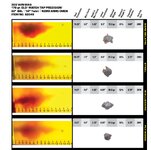
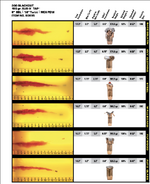
Measurements include the entry/neck to expansion, maximum temp wound cavity, depth to max cavity and total penetration.

For this discussion I have used the performance on bare gel to simulate a broadside shot where minimal resistance is met and plywood to stimulate moderate bone hit like shoulder blade/rib. This is likely tougher to penetrate than these thin bones but not a tough as a deer/elk humerus. I thought the heavy clothing would be an interesting comparison to tough animal hide but this simulant was only used for some projectiles so could not be usen when comparing all bullets.

Using the temp wound cavity dimensions I used an ellipsoid volume calculation to get some idea of the total volume of tissue affected by the temporary wound cavity. I would assume there would be some correlation between temporary and permanent wound cavity as the dramatic displacement of tissue causes tearing as it reaches its limits of elasticity. Unfortunately this data does not provide a measurement of the permanent wound/crush cavity.

You can definitely observe a trend that the lead cup and core bullets produce larger wound cavities. You can also observe bullet fragments producing a larger permanent wound cavity although it is difficult precisely measure or estimate this volume. Hornady does not provide permanent wound cavity measures.

Perhaps someone with more knowledge and experience can weight in on the relationship between temporary and permanent wound cavities as it pertains to lead cup/core bullets & monolithic projectiles. Would be interesting to see if there was a percentile correlate.

Cartridge/Bullet Velocity - FPSEstimated Temp Wound Volume (Cubic Inches & Liters)Total Penetration & Retained Weight %
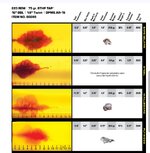
223 75gr Lead BTHP - Bare Gel2542115 ci or 1.9 L12.5" & 36%
223 75gr Lead BTHP - Plywood254490 ci or 1.5 L13" & 51%
556 70gr CX - Bare Gel265265 ci or 1.0 L18" & 97%
556 70gr CX - Plywood265955 ci or 0.9 L16" & 92%
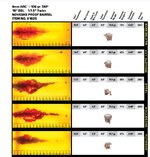
6mm ARC 106 lead TAP - Bare Gel2647170 ci or 2.8 L 18" & 73%
6mm ARC 106 lead TAP - Plywood264595 ci or 1.6 L15" & 39%
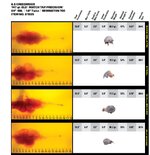
6.5 CM 147 ELDM - Bare Gel2646142 ci or 2.3 L16" & 47%
6.5 CM 147 ELDM - Plywood2676127 ci or 2.0 L15.5" & 55%
308 Win 168 AMAX - Bare Gel2537199 ci or 3.2 L14.2" & 72%
308 Win 168 AMX- Plywood2562177 cu ir 2.9 L17" & 76%
308 Win 165 CX - Bare Gel2735157 ci or 2.5 L29" & 99%
308 Win 165 CX - Plywood2583175 ci or 2.8 L27" & 100%
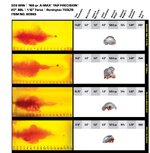
300 Win Mag - 178 ELDM - Bare Gel2894300 ci or 4.9 L14.25" & 41%
300 Win Mag - 178 ELDM - Plywood2891268 ci or 4.3 L13.5" & 55%

Screenshot_20260107_164029_Chrome.jpg

Screenshot_20260107_164133_Chrome.jpg
Screenshot_20260107_164158_Chrome.jpg

Screenshot_20260107_164228_Chrome.jpg

Screenshot_20260107_164300_Chrome.jpg

Some takeaway observations from this review.

Temporary wound cavity size generally increases as the size & weight of the projectile increases. I was impressed with the 6 ARC temp wound cavity. A 2 liter sized area of disrupted tissue. With a fragmenting cup/core bullet & looking closely at the images it would appear that the permanent crush cavity would be at least 50-75% of that volume. That would be the equivalent of nalgene sized permanent wound all the way thru the chest cavity of a deer to elk sized animal. IMO that is a devastating wound that would result in a quick death.

The 300 Win Mag produced a temp wound cavity that was about twice as large as the 6 arc but penetration was similar. When looking at recoil in a 8lb gun a 6 ARC has 6.7ft lbs and a 300 Win Mag would be at 26.8 ft lbs. 400% more recoil to produce a double sized temp wound. Again this is the temporary would cavity and not the permanent wound but I would assume that the permanent crush cavity would be about double as well.

Hitting resistance like plywood did not lead to more extreme fragmentation of lead bullets and only a slight loss of penetration. Would extrapolate that ungulate ribs & shoulder blades would not hinder bullet performance. Hitting resistance with monos may actually increase the temp wound channel volume, I would assume this is because hitting something solid helps that harder bullet fully expand earlier.
 
When considering the performance of different bullets & cartridges there is often a contested and emotional debate about what constitutes optimal killing performance. After reading the Hornady LEM test & application guide I thought this would serve as a more objective way to estimate some aspects of would channel size and performance. These test are done using organic calibrated ballistic gel. This is known to be the best analog to animal tissue. The clear gel used by most YouTube tests does not translate as well to performance on tissue.

The full source material can be found here:

file:///C:/Users/VHASHE~2/AppData/Local/Temp/1/MicrosoftEdgeDownloads/37ef4786-1d36-420a-8356-ed296f525587/1410996103-1704221297-TAP-Application-Guide.pdf

Testing is done by firing into the gel at a distance of 10ft with a variety of bullets: (BTHP, Tipped Cup/Core & Copper depending on cartridge) Tests both bare gel plus a variety of other overlays including heavy clothing, two pieces of 20g steel (car door simulant), wallboard (two pieces of gypsum dry wall), 3/4" plywood, auto glass.

Measurements include the entry/neck to expansion, maximum temp wound cavity, depth to max cavity and total penetration.

For this discussion I have used the performance on bare gel to simulate a broadside shot where minimal resistance is met and plywood to stimulate moderate bone hit like shoulder blade/rib. This is likely tougher to penetrate than these thin bones but not a tough as a deer/elk humerus. I thought the heavy clothing would be an interesting comparison to tough animal hide but this simulant was only used for some projectiles so could not be usen when comparing all bullets.

Using the temp wound cavity dimensions I used an ellipsoid volume calculation to get some idea of the total volume of tissue affected by the temporary wound cavity. I would assume there would be some correlation between temporary and permanent wound cavity as the dramatic displacement of tissue causes tearing as it reaches its limits of elasticity. Unfortunately this data does not provide a measurement of the permanent wound/crush cavity.

You can definitely observe a trend that the lead cup and core bullets produce larger wound cavities. You can also observe bullet fragments producing a larger permanent wound cavity although it is difficult precisely measure or estimate this volume. Hornady does not provide permanent wound cavity measures.

Perhaps someone with more knowledge and experience can weight in on the relationship between temporary and permanent wound cavities as it pertains to lead cup/core bullets & monolithic projectiles. Would be interesting to see if there was a percentile correlate.

Cartridge/Bullet Velocity - FPSEstimated Temp Wound Volume (Cubic Inches & Liters)Total Penetration & Retained Weight %
223 75gr Lead BTHP - Bare Gel2542115 ci or 1.9 L12.5" & 36%
223 75gr Lead BTHP - Plywood254490 ci or 1.5 L13" & 51%
556 70gr CX - Bare Gel265265 ci or 1.0 L18" & 97%
556 70gr CX - Plywood265955 ci or 0.9 L16" & 92%
6mm ARC 106 lead TAP - Bare Gel2647170 ci or 2.8 L 18" & 73%
6mm ARC 106 lead TAP - Plywood264595 ci or 1.6 L15" & 39%
6.5 CM 147 ELDM - Bare Gel2646142 ci or 2.3 L16" & 47%
6.5 CM 147 ELDM - Plywood2676127 ci or 2.0 L15.5" & 55%
308 Win 168 AMAX - Bare Gel2537199 ci or 3.2 L14.2" & 72%
308 Win 168 AMX- Plywood2562177 cu ir 2.9 L17" & 76%
308 Win 165 CX - Bare Gel2735157 ci or 2.5 L29" & 99%
308 Win 165 CX - Plywood2583175 ci or 2.8 L27" & 100%
300 Win Mag - 178 ELDM - Bare Gel2894300 ci or 4.9 L14.25" & 41%
300 Win Mag - 178 ELDM - Plywood2891268 ci or 4.3 L13.5" & 55%

View attachment 1000058

View attachment 1000059
View attachment 1000060

View attachment 1000061

View attachment 1000062

Some takeaway observations from this review.

Temporary wound cavity size generally increases as the size & weight of the projectile increases. I was impressed with the 6 ARC temp wound cavity. A 2 liter sized area of disrupted tissue. With a fragmenting cup/core bullet & looking closely at the images it would appear that the permanent crush cavity would be at least 50-75% of that volume. That would be the equivalent of nalgene sized permanent wound all the way thru the chest cavity of a deer to elk sized animal. IMO that is a devastating wound that would result in a quick death.

The 300 Win Mag produced a temp wound cavity that was about twice as large as the 6 arc but penetration was similar. When looking at recoil in a 8lb gun a 6 ARC has 6.7ft lbs and a 300 Win Mag would be at 26.8 ft lbs. 400% more recoil to produce a double sized temp wound. Again this is the temporary would cavity and not the permanent wound but I would assume that the permanent crush cavity would be about double as well.

Hitting resistance like plywood did not lead to more extreme fragmentation of lead bullets and only a slight loss of penetration. Would extrapolate that ungulate ribs & shoulder blades would not hinder bullet performance. Hitting resistance with monos may actually increase the temp wound channel volume, I would assume this is because hitting something solid helps that harder bullet fully expand earlier.


The main issue with what you are doing here, is that the temp cavity of bullets that fragment becomes a significant part of the permanent cavity. That is not true of high weight retention bullets- so the difference between say a ELD-M and a Barnes or other standard mono in real wound size is much greater than just looking at the temp cavity sizes.
 
The main issue with what you are doing here, is that the temp cavity of bullets that fragment becomes a significant part of the permanent cavity. That is not true of high weight retention bullets- so the difference between say a ELD-M and a Barnes or other standard mono in real wound size is much greater than just looking at the temp cavity sizes.

Something along these lines that's been on my mind lately, is the actual validity of what's being tested - when something being tested for and evaluated is, itself, unknowingly invalid or just marginally valid. There are a number of mil specs for various things that strike me like this.

On this issue, I'm wondering if the hunting world's focus on weight retention, and part of the tactical world's focus on bullets being "barrier blind", are resulting in bullets being selected that perform well to testing, but aren't the best choices in reality. Especially if a balance of factors are needed.

I'm wondering to what degree 77gr TMKs might be a good example of this - they're "terrible" for weight retention through an animal, but terminal results are comparatively exceptional. How do they do on "barrier blind" testing, vs trans-barrier realities, like auto glass/bodies, interior walls, etc?
 
Using the temp wound cavity dimensions I used an ellipsoid volume calculation to get some idea of the total volume of tissue affected by the temporary wound cavity. I would assume there would be some correlation between temporary and permanent wound cavity as the dramatic displacement of tissue causes tearing as it reaches its limits of elasticity. Unfortunately this data does not provide a measurement of the permanent wound/crush cavity.

You can definitely observe a trend that the lead cup and core bullets produce larger wound cavities. You can also observe bullet fragments producing a larger permanent wound cavity although it is difficult precisely measure or estimate this volume. Hornady does not provide permanent wound cavity measures.

Perhaps someone with more knowledge and experience can weight in on the relationship between temporary and permanent wound cavities as it pertains to lead cup/core bullets & monolithic projectiles. Would be interesting to see if there was a percentile correlate.

@Formidilosus I tried to account for this in the original post. As noted the ELDM type bullets produced larger wound cavities. I wish Hornady would have provided measurements for the permanent wound cavity although I am not sure that is possible to measure with organic gel? Regardless you can observe based on the fragmentation in the gel that the permanent wound cavity is much larger with the fragmenting bullets. I think this is born out when reviewing the necropsy data in the 223/6mm/6.5 success/kill threads and comparing tipped cup/core lead bullets with thin jackets vs mono/bonded bullets.
 
Something along these lines that's been on my mind lately, is the actual validity of what's being tested - when something being tested for and evaluated is, itself, unknowingly invalid or just marginally valid. There are a number of mil specs for various things that strike me like this.

On this issue, I'm wondering if the hunting world's focus on weight retention, and part of the tactical world's focus on bullets being "barrier blind", are resulting in bullets being selected that perform well to testing, but aren't the best choices in reality. Especially if a balance of factors are needed.

I'm wondering to what degree 77gr TMKs might be a good example of this - they're "terrible" for weight retention through an animal, but terminal results are comparatively exceptional. How do they do on "barrier blind" testing, vs trans-barrier realities, like auto glass/bodies, interior walls, etc?
I would agree and there is an inverse relationship between weight retention and terminal effectiveness on game. i.e. bullets that retain more weight disrupt less tissue and result is slower kills (on average). I like a bullet that retains about 50% of its weight. Seems to provide a nice balance of fragmentation & adequate penetration. Would be nice to see the bullet/hunting industry focus on making bullets focused on killing ability vs producing pretty appearing mushrooms.
 
Something along these lines that's been on my mind lately, is the actual validity of what's being tested - when something being tested for and evaluated is, itself, unknowingly invalid or just marginally valid. There are a number of mil specs for various things that strike me like this.

On this issue, I'm wondering if the hunting world's focus on weight retention, and part of the tactical world's focus on bullets being "barrier blind", are resulting in bullets being selected that perform well to testing, but aren't the best choices in reality. Especially if a balance of factors are needed.

I'm wondering to what degree 77gr TMKs might be a good example of this - they're "terrible" for weight retention through an animal, but terminal results are comparatively exceptional. How do they do on "barrier blind" testing, vs trans-barrier realities, like auto glass/bodies, interior walls, etc?


There is truth to much of the thought. The main reason that the FBI cares about penetration, expanded diameter, and weight retention is because those three things in order are very good predictors of suitability to close range, high velocity impacts.
At 30 feet, it really doesn’t matter how big the TC is- it’s big enough. They’re not trying to maximize wounds across the whole terminal range of a bullet; they’re trying to maximize consistency and predictability at close range and varied impacts through barriers.
 
There is truth to much of the thought. The main reason that the FBI cares about penetration, expanded diameter, and weight retention is because those three things in order are very good predictors of suitability to close range, high velocity impacts.
At 30 feet, it really doesn’t matter how big the TC is- it’s big enough. They’re not trying to maximize wounds across the whole terminal range of a bullet; they’re trying to maximize consistency and predictability at close range and varied impacts through barriers.

That makes a lot of sense. Both in why they prioritize that, and in people's tendencies to monkey-see/monkey-do what "the pros" are using, without understanding the realities it emerged from, or whether or not it applies to their own.
 
That makes a lot of sense. Both in why they prioritize that, and in people's tendencies to monkey-see/monkey-do what "the pros" are using, without understanding the realities it emerged from, or whether or not it applies to their own.


Yes sir.


Now, they certainly have the knowledge and ability to test for “max lethality”. People are using some of those bullets on this board….
 
I can say that the 106 tap has made some serious wounds at 2300fps on elk and deer. I was a bit reserved based on the tougher jacket....but the upset occurred within a couple (2-3) inches and traveled all of 16-18"....a couple may still be in orbit for all I know.

I chose to speak about that very bullet as it is listed in the test above.
 
I can say that the 106 tap has made some serious wounds at 2300fps on elk and deer. I was a bit reserved based on the tougher jacket....but the upset occurred within a couple (2-3) inches and traveled all of 16-18"....a couple may still be in orbit for all I know.

I chose to speak about that very bullet as it is listed in the test above.

Is the 106 Tap available as a component bullet for reloading?
 
Also, is the 75 BTHP TAP the same bullet as the regular Hornady 75 BTHP? If so, from what I have read, the 75 BTHP has erratic results on game.
 
Back
Top