Training Pudelpointer Pup

The emphasis on heel and come are for impulse control and cooperation. Once you establish that you run the show AND you develop the trust that the dog will come back, you can let it explore and run free on wild birds. All you have to do to set that up is shoot a quail or two over perfect points in training. The dog will figure out that if it wants to get the bird in its mouth, it will have to work for you to complete that process.
Thank you - that is very helpful!
 
Was your puppy produced from parents who did the German JGHV testing--e.g., the VJP and HZP--or from dogs that were testing only through NAVHDA? Either way, there is a lot of information relevant to training to be had from the German-affiliated clubs in the US and I know there is a Pudelpointer one, though the training is the same more or less across a few of the german versatile breeds.
 
Was your puppy produced from parents who did the German JGHV testing--e.g., the VJP and HZP--or from dogs that were testing only through NAVHDA? Either way, there is a lot of information relevant to training to be had from the German-affiliated clubs in the US and I know there is a Pudelpointer one, though the training is the same more or less across a few of the german versatile breeds.

NAVHDA. I appreciate it, I haven’t even looked into any of the German clubs - I’ll look into it


Sent from my iPhone using Tapatalk
 
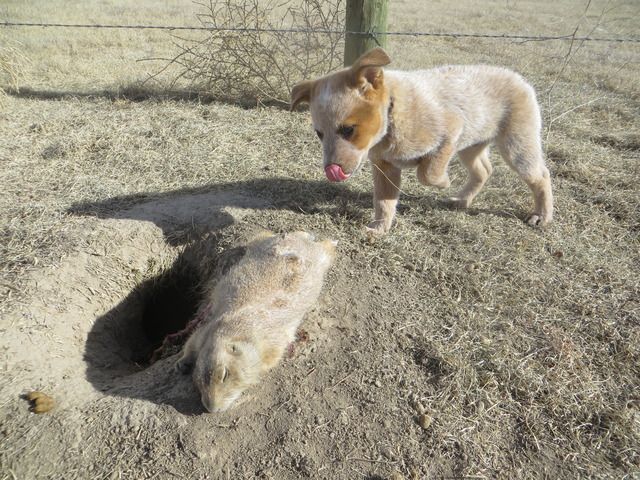
I had a Pasture-Pudel Pointer pup one time. Pointing came natural, no training necessary. Notice that solid point, deadly steely focused eyes, and the slobber-licking tongue in anticipation of chowing down......

907d8aa6-823a-4b7f-a539-78d38d7454ae.jpg
 
Alabama. Not a lot of opportunity for wild bird exposure down here - hoping we can get on to a quail preserve just so she can run some birds in the fall. May take her to Kansas to run pheasants in November if she is ready for that. We’ll just be working with dummies and pigeons in the summer.


Sent from my iPhone using Tapatalk

Be careful as far as preserves go. It seems like a good idea but preserve birds are known for not flying well and if a young dog breaks and catches a bird it can set things back. I know at least one of the authors you’re reading recommends against doing this. It can be as dangerous as taking your young dog to the gun range to introduce them to gunshots.

Last season, during my long drives to the chukar mountains I listened to Upland Nation podcasts and learned a lot from the different trainers he brings on as guests. (It’s the first podcast I’ve actually listened FWIW….)
 
Alabama. Not a lot of opportunity for wild bird exposure down here - hoping we can get on to a quail preserve just so she can run some birds in the fall. May take her to Kansas to run pheasants in November if she is ready for that. We’ll just be working with dummies and pigeons in the summer.


Sent from my iPhone using Tapatalk
Now I will turn Heel....

If you have limited "opportunity for wild birds"......what did you buy the dog for???
 
I would echo the Joan Bailey book recommendation. She also wrote another book for older dogs “How to Have the best trained gun dog”, also recommend.

Neither of her books were written when ecollars were widely used. For good info on using ecollars (and general dog training), Craig Doherty’s book “Building a grouse dog” is good.

Group training days are good, but not all the groups or people in them are that good or might have very particular ideas that don’t necessarily make sense for you and your dog. So take advantage of these but if something seems off, do your own thing or find another group.

You mention that you have some more time now for a dog. If that’s the case, I’d recommend doing whatever you can to basically live somewhere with wild birds for as long as you can during your dog’s first season (and for that matter, all of them, lol). I was very underemployed during the fall of 2020 and moved to the grouse woods with my 6m old puppy that fall. We hunted every day. Before we went, he had a very solid program of gunfire introduction, would come when called and was used to off leash walks. He had a little planted bird exposure (that in retrospect probably wasn’t that necessary). But he basically taught himself how to hunt on woodcock and grouse and developed into a very enthusiastic bird dog up there. He seems to have more desire than a lot of dogs I’ve met on training days - perhaps that is just innate or maybe it has something to do with that first season. He was still a puppy of course and made all sorts of puppy mistakes, but I feel that fall really laid a good foundation for him.
 
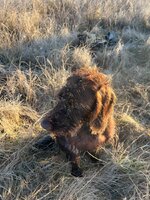
Love me PP. She is natural and trained me a lot lol. My first dog ever and she is a joy in the field and around the house. Best decision I ever made.

Points and finds upland great. Took a little work but retrieves waterfowl’s now super as well.
 

Attachments

  • IMG_0466.jpeg
    IMG_0466.jpeg
    898.4 KB · Views: 7
Now I will turn Heel....

If you have limited "opportunity for wild birds"......what did you buy the dog for???

Thanks, I needed a good pissin’ off today. I like to travel out west/midwest to hunt birds, I hunt waterfowl, doves, crane, woodcock, and squirrels. I want to test NAVHDA and I want a buddy to come along with me when I go fishing, camping, running, hiking, etc. I have ample reason to get this dog but I only have a couple elusive coveys of quail on my land, and it’s very hard to find wild quail near me that aren’t in a preserve. And woodcock are seasonal and few & far between. I will probably take the dog to Kansas in the fall (like I already said in this thread) to run wild birds, but I don’t have that opportunity close by so we will have to make do with other birds for weekly training.


Sent from my iPhone using Tapatalk
 
Love me PP. She is natural and trained me a lot lol. My first dog ever and she is a joy in the field and around the house. Best decision I ever made.

Points and finds upland great. Took a little work but retrieves waterfowl’s now super as well.

That’s awesome! Thanks for sharing


Sent from my iPhone using Tapatalk
 
I would echo the Joan Bailey book recommendation. She also wrote another book for older dogs “How to Have the best trained gun dog”, also recommend.

Neither of her books were written when ecollars were widely used. For good info on using ecollars (and general dog training), Craig Doherty’s book “Building a grouse dog” is good.

Group training days are good, but not all the groups or people in them are that good or might have very particular ideas that don’t necessarily make sense for you and your dog. So take advantage of these but if something seems off, do your own thing or find another group.

You mention that you have some more time now for a dog. If that’s the case, I’d recommend doing whatever you can to basically live somewhere with wild birds for as long as you can during your dog’s first season (and for that matter, all of them, lol). I was very underemployed during the fall of 2020 and moved to the grouse woods with my 6m old puppy that fall. We hunted every day. Before we went, he had a very solid program of gunfire introduction, would come when called and was used to off leash walks. He had a little planted bird exposure (that in retrospect probably wasn’t that necessary). But he basically taught himself how to hunt on woodcock and grouse and developed into a very enthusiastic bird dog up there. He seems to have more desire than a lot of dogs I’ve met on training days - perhaps that is just innate or maybe it has something to do with that first season. He was still a puppy of course and made all sorts of puppy mistakes, but I feel that fall really laid a good foundation for him.

That’s awesome! Thanks for the advice and sharing your great experience. Sadly, moving is not in the cards right now. But I will have more time and am going to attempt to make some solo weekend trips to get her into birds.


Sent from my iPhone using Tapatalk
 
That’s awesome! Thanks for the advice and sharing your great experience. Sadly, moving is not in the cards right now. But I will have more time and am going to attempt to make some solo weekend trips to get her into birds.


Sent from my iPhone using Tapatalk
I’m in Alabama. Nothing wrong with some training with pen raised.

I have a few coveys on my farm, but I go to oneonta and get 50-100 birds and put them out. My buddies and me and the dog all have a blast.

Got to make good with what you got.

Also she’s great just around the farm with me. Best dang snake finder I’ve ever seen
 
I’m in Alabama. Nothing wrong with some training with pen raised.

I have a few coveys on my farm, but I go to oneonta and get 50-100 birds and put them out. My buddies and me and the dog all have a blast.

Got to make good with what you got.

Also she’s great just around the farm with me. Best dang snake finder I’ve ever seen

Very encouraging - great to hear! I’ve got a buddy who lives nearby and we were planning to do the same kind of thing with some pen raised birds. Like you said, you gotta make do with what you’ve got. I appreciate it!


Sent from my iPhone using Tapatalk
 
Basic obedience is all you need the first year. This has to be rock solid. If it is, everything else is easy.

Decide what you want the dog to know. Mine get taught to come when called, heel, whoa, and go with me when hunting. They are also taught to walk on a leash without pulling. That is all I teach mine. I don't teach stay because I prefer to use whoa with pointing dogs. It means the same thing. Whoa means stop and don't move until I release you. I teach heel and whoa at the same time.

Consistency is the most important aspect of training IMO. Do not ever, within reason, give your dog a command you are not in a position to enforce. You tell the dog to come 10 times and can't get ahold of him you are actually training the dog to not come to you. Come here also means here all the way to me, not run back to within 5 yards or so and then leave. I see a ton of dogs do that yo yo thing instead of recall. Come here and come with me are two different things. When I say come it is here next to me right now, you stay with me until I release you.

Come with me is in the field where I expect the dog to stay to the front of me. When they start drifting to the side, going to the back, not making a turn with me. I sing to them and expect them to look see where I'm heading and change course to come with me. Don't use come for this command. Hey is simple and works well as does a whistle.

I always teach the dog to come first. Do it on a short leash without distractions initially. Make the dog come every time you say the word. Say it ONE time and enforce the command, don't let the puppy stand at the end of the leash while you are telling it to come and think they will figure it out, they won't. Come here "insert name" and reel them all the way back to you without saying it again. Don't progress to the check cord or longer leash until they have mastered step one. When you finally move to free recall, if they don't come on the first command go back to the check cord. Mine drag a 25 foot check cord until they are 2, even in the yard. If the recall isn't solid I won't say come here until I have the cord in hand. You will save a lot of headaches down the road if you stick to this! Important to talk with family members not to give commands unless they can be enforced, every time. It will take a while, it gets a little boring, it will be a solid foundation everything else is based on. When he talks, I listen, right now, no exceptions. You don't want to be the guy screaming or whistling at their dog all day while it doesn't listen.

I teach one command at a time. I don't move to heel/whoa and come with me until the recall is solid and set. Leash pulling I will work on with everything else. I use a leather spikce or pinch collar and a simple tug a few time fixes that. It isn't even a command.

 
Basic obedience is all you need the first year. This has to be rock solid. If it is, everything else is easy.

Decide what you want the dog to know. Mine get taught to come when called, heel, whoa, and go with me when hunting. They are also taught to walk on a leash without pulling. That is all I teach mine. I don't teach stay because I prefer to use whoa with pointing dogs. It means the same thing. Whoa means stop and don't move until I release you. I teach heel and whoa at the same time.

Consistency is the most important aspect of training IMO. Do not ever, within reason, give your dog a command you are not in a position to enforce. You tell the dog to come 10 times and can't get ahold of him you are actually training the dog to not come to you. Come here also means here all the way to me, not run back to within 5 yards or so and then leave. I see a ton of dogs do that yo yo thing instead of recall. Come here and come with me are two different things. When I say come it is here next to me right now, you stay with me until I release you.

Come with me is in the field where I expect the dog to stay to the front of me. When they start drifting to the side, going to the back, not making a turn with me. I sing to them and expect them to look see where I'm heading and change course to come with me. Don't use come for this command. Hey is simple and works well as does a whistle.

I always teach the dog to come first. Do it on a short leash without distractions initially. Make the dog come every time you say the word. Say it ONE time and enforce the command, don't let the puppy stand at the end of the leash while you are telling it to come and think they will figure it out, they won't. Come here "insert name" and reel them all the way back to you without saying it again. Don't progress to the check cord or longer leash until they have mastered step one. When you finally move to free recall, if they don't come on the first command go back to the check cord. Mine drag a 25 foot check cord until they are 2, even in the yard. If the recall isn't solid I won't say come here until I have the cord in hand. You will save a lot of headaches down the road if you stick to this! Important to talk with family members not to give commands unless they can be enforced, every time. It will take a while, it gets a little boring, it will be a solid foundation everything else is based on. When he talks, I listen, right now, no exceptions. You don't want to be the guy screaming or whistling at their dog all day while it doesn't listen.

I teach one command at a time. I don't move to heel/whoa and come with me until the recall is solid and set. Leash pulling I will work on with everything else. I use a leather spikce or pinch collar and a simple tug a few time fixes that. It isn't even a command.
This is great, practical advice - I really appreciate it! Quick question - I keep seeing trainers who say they don't teach their dog "whoa" until after their first season so they can fully develop their drive before toning them down. The NAVHDA green book takes your approach and teaches it as a foundational command. Have you had any bad experiences with diminishing hunting drive in puppies by teaching "whoa" early? I'm assuming the answer is no, but this is something that I am battling with.
 
Whoa can be just like any other command. Taught right, it just means all 4 feet STOP and don't move until released. Done correctly, it will have no effect on drive. Now, how often and when and where you reinforce it COULD have some effect on drive - e.g. if you WHOA a dog constantly in the field, you will get it to anticipate it and potentially reduce drive. Simple fix - just test it occasionally and don't do it all the time. Also, in advanced whoa training, if you transition from neck pressure to flank pressure and wrap a collar around the waist of the dog, this CAN be effective with a light nick on WHOA as a dog gets birdy and you don't want them to get too close to a bird you have planted. Again, can work great. But if you overdo it and nick the dog too much and they havent been conditioned right, you can find the dog anticipating instead of driving forward. Teaching whoa using a whoa post set up and then to a collar is a "pressure" situation. So the dog has to be READY to accept pressure training.

But you can start the whoa concept as early as 8 weeks - open the crate door - say whoa, tap them in the nose with the door to stop them. Then, release them with their name and love them up. Gradually increase time of making them stay there with door open each time, and love on the release. So I taught the general meaning of whoa from early puppy days and all dogs had to whoa before leaving kennel or crate and sit there with open door before releasing. Then with whoa post later, reinforced that whoa means all four feet stop NOW.
 
Back
Top