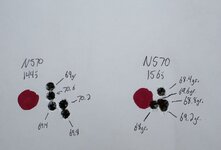
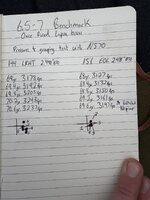
So what is the quantifying margin of error larger cartridges offer? Clearly it should be something progressive. Moving from .24 bullets to 6mm to 6.5mm to 7mm and so on so forth, should offer varying ranges and percentages of room for error. But there’s never a quantifiable number attached to it. Just anecdotal comments and theory speculation.
There’s never been a number attached to it, because that isn’t how it works so far as I’ve seen. I should probably temper that a bit, before someone shows up with a demonstrable formula…
Bullet construction/shape/composition/twist rate are vastly more important than diameter when it comes to tissue damage.
From what I have seen personally , the difference in damage from a 6mm to a 7mm (or .224 to .284) when all else is equal, is an incremental step. There is likely some difference there, but you probably won’t be able to discern the difference visually on a regular basis between a 6 and a 7.
Once you get a bullet that rapidly exceeds the stretch capability of tissue you are already doing as much damage as you can do within the confines of the animals structure. Doesn’t matter if you pop a balloon with a sewing needle or a knitting needle, that balloon can’t get any more popped than it is.
The difference in damage when going from one type of bullet construction when all else is equal is a major leap. (ie traditional mono versus a heavy for caliber softer bullet).
Bullets matter. Headstamps don’t.
The only interaction that you have with an animal is the bullet, unless you really F it Up and have to beat him to death with your rifle.
And in that scenario I’m definitely going to want my 26” barreled laminate stocked 300 RUM over my 21.5” Kimber Montana 223AI, so I can get a better swing and more Whallop.