
The difference is kernel size only. Same compound with different sized powder kernel.is 7828SSC close to plain 7828
Jay

Follow along with the video below to see how to install our site as a web app on your home screen.
Note: This feature may not be available in some browsers.
The difference is kernel size only. Same compound with different sized powder kernel.is 7828SSC close to plain 7828
Meaning I could transfer the load pretty closely dropping a bit to accounting for different "batch", and then work up?The difference is kernel size only. Same compound with different sized powder kernel.
Jay

Wow that’s a great group! 93 shots!! Well doneFirst time reloading.
Read this thread before and resolved to follow it because why make life hard?
Shot 9 shots yesterday to find where I hit pressure because it’s my first time doing this and was being cautious. Loaded up at what I thought was a good place below max and came back today to zero.
Did two sighters, followed by 93 more shots at 100 yards. Can vouch that this method works. Now I’ve got 104 bullets down the barrel and won’t clean it for its entire life.
Thanks Form for putting the knowledge out there.

Meaning I could transfer the load pretty closely dropping a bit to accounting for different "batch", and then work up?
ThannksYes. If you weren't right up tight to pressure with the existing 7828 load, id load the same charge 7828sc and validate. If you were close to pressure with existing load maybe load a little 1 shot ea charge ladder to validate velocity/pressure quick and go forth.


So with this style of reloading what should I do with new brass and new rifle. Is firing all 100 rounds of new brass under a moderate load a good idea before starting this painless method? Or just shoot 20 rounds of factory through the rifle and go straight into load dev with the new .243win starline brass?
My preference with new brass new rifle is test a mid to upper range of book charges for pressure safety and then load whatever, go perfect zero and get velocity data if you have a chrono, true up calculator, and be done. Once those 100pcs are fireformed, shoot another quick pressure ladder (pressures will likely be higher with formed brass), and load accordingly. I've had best luck dropping at least a full grain from pressure signs on formed brass.So with this style of reloading what should I do with new brass and new rifle. Is firing all 100 rounds of new brass under a moderate load a good idea before starting this painless method? Or just shoot 20 rounds of factory through the rifle and go straight into load dev with the new .243win starline brass?

I do the exact same. Normally shoot through the first 100 pieces relatively quickly. Gathering data, seeing if bullet prefers a certain powder, seeing if barrel prefers a certain bullet, getting pressures ect.My preference with new brass new rifle is test a mid to upper range of book charges for pressure safety and then load whatever, go perfect zero and get velocity data if you have a chrono, true up calculator, and be done. Once those 100pcs are fireformed, shoot another quick pressure ladder (pressures will likely be higher with formed brass), and load accordingly. I've had best luck dropping at least a full grain from pressure signs on formed brass.
Yes. Virgin brass seems to absorb/hide pressure signs while its forming to the chamber dimensions with the first firing IMESo you are saying drop .5-1 grains on once fired brass based off the chosen load on new brass?

I haven't loaded that case but I would bet the same principle holds true. It's so easy I just test it to be safe, load about 4-5pcs of formed brass in .5gr increments and go fire them into a dirt bank and see where pressure shows up. I would be willing to bet it's a grain or more below where you found pressure with new brass (temp dependent, take that into consideration as well).This info is perfectly timed, as I’m about to start new brass (alpha) with new barrel.
Have you found the .5 gr decrease holds true, even with a small cartridge? 6 ARC…
I will be starting development with new Alpha brass 308 cases necked down for 243win. If I don't run up the charge towards pressure, but towards speed (ie 3000fps with 95gr NBTs) would speed change with subsequent firings? Based on your response I would assume so, and it makes sense to rerun the testing once brass is firedYes. Virgin brass seems to absorb/hide pressure signs while its forming to the chamber dimensions with the first firing IME


It helps me to think about it from a conservation of energy standpoint. The powder charge igniting generates an amount of energy. Part of this energy is consumed by forcing the brass shoulder and body expanding to the chamber walls on virgin brass. The rest of the energy forces the bullet out the bore.I’m curious as well. I’m new to reloading and was expecting the opposite. More room for powder with an expanded case was my thought process… will be curious to experiment with my once fired brass
I will be starting development with new Alpha brass 308 cases necked down for 243win. If I don't run up the charge towards pressure, but towards speed (ie 3000fps with 95gr NBTs) would speed change with subsequent firings? Based on your response I would assume so, and it makes sense to rerun the testing once brass is fired
In my experience, speed and pressure increase on 2nd firing vs virgin brass. It is theorized that some of the energy on first firing is absorbed by the case expanding to the chamber. Once cases are formed and shoulders are properly bumped back only .002-3", there's less expansion of the case and an increase in peak pressure/velocity. When I did my temp testing this winter I used my initial established charge in virgin brass of 58gr @ 88°F 10 shot avg velocity 2933fps-I’m curious as well. I’m new to reloading and was expecting the opposite. More room for powder with an expanded case was my thought process… will be curious to experiment with my once fired brass
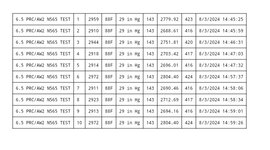
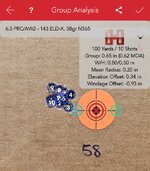
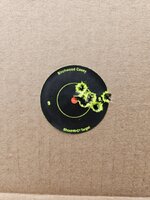
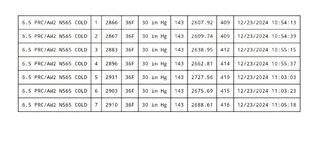
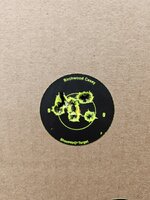
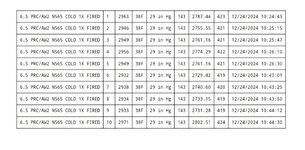
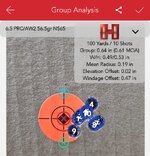
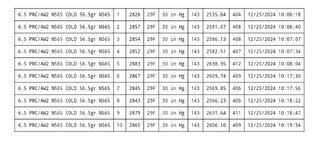
It's literally the painless method with a powder charge check/adjustment on 2nd firing to stay out of pressure..To me, what the last few posts have been suggesting is not “painless load development.” Anything that involves fire forming all your brass before you start “reloading for real” is the opposite of “painless.” Unless there is a really good reason to fire forming your brass - like if you have a custom or wildcat chamber - it is a pointless exercise that won’t result in measurable improvement for most shooters.
But, if you insist upon it, then my recommendation is to go buy 100-200 rounds of factory ammo and use it all up in sighting in and practice. Then reload it. That will at least save you the time of hand loading a bunch of cartridges that you think aren’t good enough for “real use.”
Of course, if you do that, you might discover that you don’t actually need to reload to get acceptable results. I have a .270 Winchester that shoots the Remington factory 130-grain loads under an inch at 100 yards. I’ve been sitting on 600 Sierra .277 bullets for 25 years because it turned out it wasn’t worth my time to reload them. I have something like 400 once-fired .270 brass just waiting for the time that it makes sense to reload for it.
My standard practice when I buy any new rifle starts with buying 200 loaded cartridges for it, using those as a basis for baseline accuracy, bullet weight preferences, etc. Once I establish that is good, I get enough components to reload that brass about four times each. When I shoot a thousand rounds from a rifle, then, maybe, I will get some “good brass” for it. But with the number of rifles I own, that hasn’t happened yet.
____________________
“Keep on keepin’ on…”





