Idaho Spring Bear

My first spring bear hunt went without seeing anything other than beautiful country and getting some good work out of my snowshoes a couple weeks ago.

Addicted to getting more reps hunting so I’m heading back to 33 the first weekend of June. Looking for any general input like elevation and such? I’ll be bringing some calls and looking more for boars chasing sows, so my understanding is be ready to move quickly if sighted. My thinking is elevation matters less, so being up high isn’t as critical if I pick areas near rivers and water? I also want to get a boar before he grabs an elk calf, but what kind of areas am I looking for? My read says well protected flat areas near feed and water, somewhat isolated?

Thanks to everyone for all the info I’ve already picked up on this site, it’s helped me catch up on years of missed knowledge! Now I’m playing catch up before I’m too old to pursue this passion.
 
My first spring bear hunt went without seeing anything other than beautiful country and getting some good work out of my snowshoes a couple weeks ago.

Addicted to getting more reps hunting so I’m heading back to 33 the first weekend of June. Looking for any general input like elevation and such? I’ll be bringing some calls and looking more for boars chasing sows, so my understanding is be ready to move quickly if sighted. My thinking is elevation matters less, so being up high isn’t as critical if I pick areas near rivers and water? I also want to get a boar before he grabs an elk calf, but what kind of areas am I looking for? My read says well protected flat areas near feed and water, somewhat isolated?

Thanks to everyone for all the info I’ve already picked up on this site, it’s helped me catch up on years of missed knowledge! Now I’m playing catch up before I’m too old to pursue this passion.
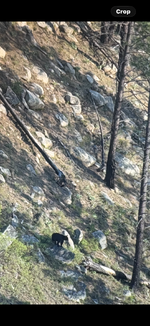
My son and I just got back from two weeks out chasing bears. We saw bears almost every day. Their elevation ranged from 4,500’ to over 8k. I think a lot of people hear “green up” and look for the greenest terrain they can find. A lot of country we find bears in has new plants they like that are just emerging. Some of these hillsides don’t look very green or look like there is much to feed on. But they have what the bears want and they will travel a long ways to get it. Most of the bears we saw were within a 1,000’ of the snow line and also in areas that have good flowing water. A basin that is super green and lush, but lacks good running water won’t hold bears in my experience. We did find two bears in a basin such as this last week, but they were just moving through. We found one of these bears (sow with three chocolate cubs) in another basin miles away two days later just under the snow line and with good running water. She stayed there for days. Another terrain feature we look for is south facing, steep slopes with rocks/cliffs coupled with patches of timber. The last week we were out was in the upper 80’s each day. We would see bears from 8am-10am and then again later in the afternoon, after 5pm. As other posts have suggested, if you are not seeing bears, you’re not in the right area. As a general rule, we will watch a basin for an evening and then the next morning, if we don’t see any bears we move on regardless of how good it looks. Find the right basin, and you will likely find multiple bears. This info applies mainly to early April to mid May. After that, the north facing slopes melt off enough where bears will shelter there during the day to keep cooler. Once this terrain opens up it makes things a bit harder. Then June rolls around and the boars start covering a lot more ground looking for sows. Still a good time to be out, but again it can be just a bit harder.
 
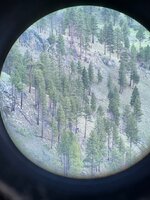
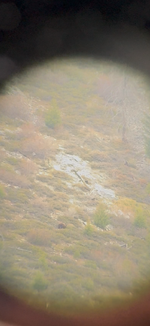
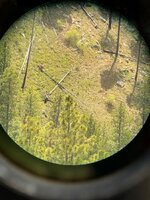
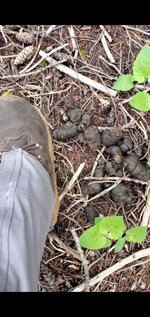
I will add a couple pics. One pic you can see the terrain is super green. That bear spent less than 8 hours in this basin before moving higher. He was just passing through, everything looked lush, but the plants were weeks older than the same type of newly emerging plants just below the snowline. He moved up several thousand feet and stayed for days when we found him again. The other pics are not great, but you can see from the background that things don’t look very green. But with the newly emerging plants, we found multiple bears in relatively small areas.
 

Attachments

  • IMG_9220.png
    IMG_9220.png
    1.8 MB · Views: 37
  • IMG_9045.jpeg
    IMG_9045.jpeg
    814.2 KB · Views: 37
  • IMG_9218.png
    IMG_9218.png
    1.5 MB · Views: 37
  • IMG_9038.jpeg
    IMG_9038.jpeg
    785.5 KB · Views: 37
My son and I just got back from two weeks out chasing bears. We saw bears almost every day. Their elevation ranged from 4,500’ to over 8k. I think a lot of people hear “green up” and look for the greenest terrain they can find. A lot of country we find bears in has new plants they like that are just emerging. Some of these hillsides don’t look very green or look like there is much to feed on. But they have what the bears want and they will travel a long ways to get it. Most of the bears we saw were within a 1,000’ of the snow line and also in areas that have good flowing water. A basin that is super green and lush, but lacks good running water won’t hold bears in my experience. We did find two bears in a basin such as this last week, but they were just moving through. We found one of these bears (sow with three chocolate cubs) in another basin miles away two days later just under the snow line and with good running water. She stayed there for days. Another terrain feature we look for is south facing, steep slopes with rocks/cliffs coupled with patches of timber. The last week we were out was in the upper 80’s each day. We would see bears from 8am-10am and then again later in the afternoon, after 5pm. As other posts have suggested, if you are not seeing bears, you’re not in the right area. As a general rule, we will watch a basin for an evening and then the next morning, if we don’t see any bears we move on regardless of how good it looks. Find the right basin, and you will likely find multiple bears. This info applies mainly to early April to mid May. After that, the north facing slopes melt off enough where bears will shelter there during the day to keep cooler. Once this terrain opens up it makes things a bit harder. Then June rolls around and the boars start covering a lot more ground looking for sows. Still a good time to be out, but again it can be just a bit harder.
This is solid info
 
I will add a couple pics. One pic you can see the terrain is super green. That bear spent less than 8 hours in this basin before moving higher. He was just passing through, everything looked lush, but the plants were weeks older than the same type of newly emerging plants just below the snowline. He moved up several thousand feet and stayed for days when we found him again. The other pics are not great, but you can see from the background that things don’t look very green. But with the newly emerging plants, we found multiple bears in relatively small areas.
Beautiful pictures, sounds like a fantastic time, thank you for all the info!
So with the highly varied terrain in Idaho, do you find the rut changes based on general elevation/longitude? I.e. in areas still with snow higher up, even in June, bears will still be exhibiting early season behavior, coming out of hibernation later, and still in find food mode?
 
Beautiful pictures, sounds like a fantastic time, thank you for all the info!
So with the highly varied terrain in Idaho, do you find the rut changes based on general elevation/longitude? I.e. in areas still with snow higher up, even in June, bears will still be exhibiting early season behavior, coming out of hibernation later, and still in find food mode?
What I have found is the rut starts roughly the same time each year regardless of weather/elevation. When I say roughly, I mean within a couple weeks timeframe. Lower elevation bears may start exhibiting signs earlier than higher country bears but I can’t say I have seen that enough to make an opinion one way or another. Last June we went into an area of central Idaho that was 8k feet. There was still 1’ of snow but the rut was starting. You could see it with the boars behavior and also with the sows/cubs behavior 1500’ lower elevation. In WA when there was a spring bear season I would see bears starting the rut in late May while there was still several feet of snow where their dens were. From what I understand, bears come out of the den based on temp and daylight. If they come out and the area around their den is snow packed, they just drop lower. Much like elk, deer, turkey etc I have seen bear rutting behavior alter a bit with weather. On super hot days, rain or in high winds their rutting behavior slows or stops until the barometer settles down. Then they just start going again.
 
Beautiful pictures, sounds like a fantastic time, thank you for all the info!
So with the highly varied terrain in Idaho, do you find the rut changes based on general elevation/longitude? I.e. in areas still with snow higher up, even in June, bears will still be exhibiting early season behavior, coming out of hibernation later, and still in find food mode?
As for longitude, I haven’t noticed a difference. I have only done spot and stalk though, maybe guys who bait in the northern part of the state can chime in. I have hunted bears for 30+ years in WA, ID and Montana in many parts of each state including north Idaho. Can’t say I have ever seen or noticed a difference in timelines of the rut from longitude. Maybe it varies by a week or so, but maybe not. I don’t think it changes a whole lot from location to location. That’s just a guess based on my experience however so take it for what it’s worth.
 
Back
Top