CPVC residential fire sprinkler system

Joined
Nov 14, 2020
Messages
1,885
My brother has one of these systems in his new house, with the special orange CPVC pipe. He poked a hole in it and we had to drain the system to replace a couple feet of pipe. We’re aware that this isn’t standard white pvc pipe and we can’t use that for the repair. We have ordered some of the special orange pipe, orange fittings, and the special glue. The actual repair is a pretty straightforward plastic plumbing job involving a couple ells and couplings.

Back in the day, when I was a commercial building maintenance mechanic for the city, we had a lot of black iron fire sprinkler systems that required treated water to keep the pipes from corrroding too bad or antifreeze where the pipes were in an exterior soffit. Since the system he has is entirely indoors and all plastic except the brass service valves, I’m assuming we can just turn on the valves and refill it with standard city water?

The system is fed by a 1-1/4” line that tees. One side of the tee is the sprinkler system and the other side is his domestic water supply. And do we need to worry about bleeding any air? I’m also assuming if there a ever was a fire, the system is “ self bleeding” when a head pops?
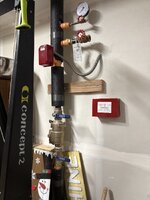
 
Is there a backflow preventer that keeps the water that sits in the sprinkler side from going back into drinking water side?I'm not a plumber but that seems like the type of place that needs one. Was he required by local codes to install or chose to?
 
Yes there is a BFP valve. Ball valve shutoffs above and below the BFP and a service drain valve (looks like a globe valve) teed in above the upper ball valve. That’s where we drained the system.

This is the riser in the garage. The pipe that he drilled is in the house.

IMG_0240.jpeg
 
Im not normally a "consult a professional" guy, but this is probably one of those instances. He paid good money to have the system installed, probably saves on insurance premiums, and the system gives him piece of mind. If its repaired DIY, will you ever be certain its repaired correctly, and going to function when needed? If there is a failure, what will insurance say? Sorry for the negative answer, but fire suppression isn't something to mess with without proper knowledge.
 
I can say that in the city where I work, the FS system also feeds the toilets, so there’s constant flow in the system which prevents the system from being over pressurized due to the back flow valve. When there is a pressure surge from the city water, the system pressure can gradually rise and without being flushed and “drained” from flushing the toilet bowls, it would eventually be over the maximum functional working pressure designed for that specific FS system for the house. I would drain the system as you did, make the needed repair and then turn it back on. Just be sure and follow the manufacturer’s suggestions for glue curing times before re pressurizing the system. The gauge will read the static pressure once finished and turned back on. Where I’m at, the max pressure for FS systems is 80psi. Most house pressure is in the neighborhood of 50-60psi and well within working range. The FS will have a minimum and maximum working pressure designed for that system.
 
Retired sprinkler guy here.
As stated above, allow enough time for the glue to cure before filling the system. There may be an “inspectors test” valve at the remote end of the system, I.e. furthest from the supply, that you can open until water arrives to bleed, but it isn’t necessary.
Just fill it slow and check for leaks at the repair.
 
As stated above just slowly refill the system and verify you don't have any leaks. Sprinkler systems under street pressure typically don't lead to many issues if glued properly.

I do see a flow switch though which would be tied to the fire alarm. Verify that either (a) the system isn't monitored, or (b) ensure the system is on test. The last thing you and the fire department want are having to roll out to a call because of a false alarm. Typically once those calls go out you are not calling them off.
 
While its off he should check bathroom sink cold water and toilets to see if any dont flow.
This system has a flow detector switch. Not sure if it’s monitored or just hooked to an electric gong, but pretty sure the switch would trip if there were any toilets or faucets hooked up downstream.

Is that a normal thing to hook up a toilet or faucet to a sprinkler system? I would think a pressure relief valve would be used if there’s a pressure problem.
 
As stated above just slowly refill the system and verify you don't have any leaks. Sprinkler systems under street pressure typically don't lead to many issues if glued properly.

I do see a flow switch though which would be tied to the fire alarm. Verify that either (a) the system isn't monitored, or (b) ensure the system is on test. The last thing you and the fire department want are having to roll out to a call because of a false alarm. Typically once those calls go out you are not calling them off.
We did call into public safety dispatch before draining to notify them we have the system on test, and to disregard alarms from this address until further notice.
 
Is that a normal thing to hook up a toilet or faucet to a sprinkler system? I would think a pressure relief valve would be used if there’s a pressure problem.

In some areas they will have the fire suppression system integrated into the Pex piping system for the other faucets/toilets thru ought the house. Yours is a stand alone system.
 
Been code out here for years, goes by square foot for requirement. Sad part is I don't think anyone knows how long those systems will last and need to be replaced?
 
Any structure over 3 units requires a sprinkler system by IRC code since at least 2018 maybe earlier. The systems can last decades the problem is when and if a head ever accidentally goes off it's a catastrophic issue. Depending on the building and or setup not every resident has access to the shut off which will lead to significant water damage.

From a life safety standpoint they are huge and allow occupants time to escape in the event of a fire. From an insurance perspective I'm sure there is some savings in only dealing with water damage vs smoke and fire damage, but in some instances I'm sure those numbers get very close.
 
It just came with the house. Which in this case is a townhouse, so multiple dwelling occupancy is probly what triggered sprinkler requirements. Does anyone think it would be advisable to replace the heads every ten years or so?
 
You don't not want any issues with you sprinkler system.
They are bad when it occurs.
 

Attachments

  • IMG_20240115_180658.jpg
    IMG_20240115_180658.jpg
    205.6 KB · Views: 16
  • IMG_20240115_180645.jpg
    IMG_20240115_180645.jpg
    197.4 KB · Views: 16
  • IMG_20240114_154904.jpg
    IMG_20240114_154904.jpg
    199.4 KB · Views: 16
  • IMG_20240113_083741.jpg
    IMG_20240113_083741.jpg
    199.4 KB · Views: 16
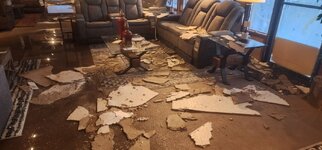
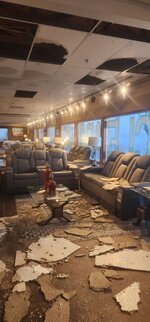
It’s darkly funny that the window signage says “CLEARANCE!” As in , these wet couches are now super cheap! Apologies if this is your store. You obviously might not see the humor…..
 
Back
Top