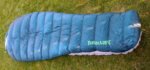
Justin it seems too good to be true for the weight vs temp rating but I'm following to find out. Interested in size as well because they don't list anything for dimensions on the website.
Thermarest is generous with the level of detail they provide in their specs. If you understand what the specs mean you can get a pretty good feel for how they get to these weights/ratings.
Based off the specs, here's how they get to a 20 degree bag with such low weight:
- low volume fit - compare the shoulder/hip/footbox ratings to others, they are pretty tight
- Light, thin shell fabric - 10d, WM ExtremeLite shells are 12d for reference
- High fill power down
- Zoned insulation, 70% on top, 30% on bottom. Think quilt logic minimizing underutilized insulation beneath you but still get the draft free benefits of a bag, smart.
- No neck baffle - these are common once you get to 20 or 30 degree bags and below and help seal heat in but might not be required if you have a tight seal in the hood around your head. It's nice to have them but they add a bit of weight
- Short zipper
- 20 Degrees is a EN Lower Limit, comfort rating is 32 Degrees.
So compared to a WM UltraLite with similar dimensions and a 20 degree rating, you have:
-Assume less real world warmth based on EN ratings
-Shorter zipper, have to "crawl into" the bag a bit more
-no neck baffle
-Less down insulation - I'd wager WM spec'd 850+ would test as high or higher actual loft than 900 fill in thermarest. You can shift the down in the ultralite from bottom to top, effectively "overstuffing" the baffles on top of you in the case of loft degradation.
-Treated vs untreated down
-Lower price (made in China), 9 ounces lower weight.
Functionally the 20 degree hyperion is probably closer to a WM SummerLite bag which weigh 19 ounce and have a 32 degree rating than the UltraLIte but likely somewhere between the two in warmth.