For the last year or so I have been exploring the new crop of high pressure capable brass/cases. Starting with Alpha Munitions and now Shell Shock Technologies.
I’ll report my findings below with .308 brass since it is 1) What I could get, 2) widely familiar ballistically, 3) A cartridge I can personally compare against multiple manufacturers of brass.
For those that are not familiar with SST (Shell Shock Technologies), they make steel cartridge cases. Their claim is that because steel is so much stronger than brass, they can make the case walls thinner, allowing a 9-10 percent increase in powder volume. Additionally, steel being a stronger material, these cases are capable of significantly higher pressures than brass cases. The combined benefit of the added volume and higher pressure limits, result in significantly higher velocities.
I have found all of this to be absolutely true.
Reloading:
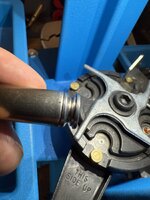
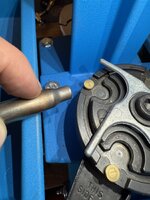
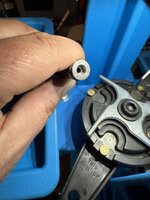
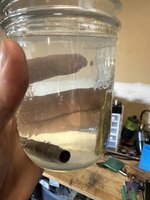
Being a steel case, this brass does not behave exactly like brass. The seating force required to seat I primer is the most significant difference I noticed. Using a Dillon RL550, I had to pay very close attention to how deeply the primer was seated. I had to slow down and check every case….not ideal if you’re trying to produce volumes of ammo.
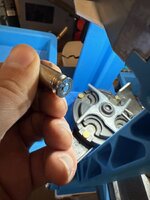
I had lots of these to deal with. In the end, I worked it out.
Secondly, I started using an expander mandrel on the brass in the hopes that it would even out the velocities. My first 20 round batch with this ammo produced a significant velocity change every 4-5 rounds. In the end, the mandrel worked marvelously in evening out result which I will share below.
The initial load I used was 52 grains of Varget, CCI BR-2 primers and Sierra 168 TMK’s. Yes you read that correctly, 52 grains is what I used. I spoke with SST’s owner over the phone and he recommended 10 percent over the Hodgdon load data. Having previously pushed Alpha brass to 80k PSI for hundreds of rounds and multiple reloadings of the brass, I was confident I could do it safely. I used GRT and targeted 80k PSI after increasing the case volume in the reloading tool to match these cases. This was too compressed, resulting in bullets that were slightly deformed when seated:
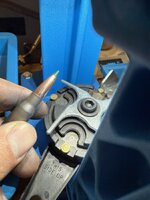
The velocity was 2,950 fps out of a 20 inch Sako S20 with this load. The recoils was not noticeably greater than 45.5 grains of varget using Lapua brass. The traditional recipe using Lapua brass was going 2,730 fps, thus the gain in velocity was a whopping 220 FPS without a meaningful increase in recoil!!!
I ended up backing the load off to 51 grains of Varget because of the bullet deformation and then used a drop tube. This solved the problem.
At the range I used two rifles; the S20 with a 20 inch barrel and a Blaser R8 with a 17.5 inch barrel.
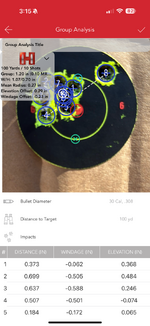
Here is the Blaser Group, followed by the chronograph result:
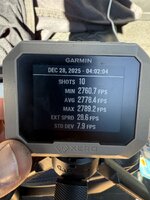
Here are the results for the S20:
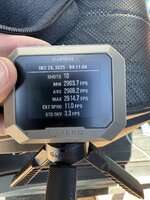
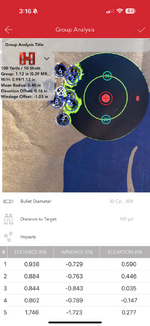
These velocities exceed Alpha Munitions velocities from my experience. I’m getting 2,610 fps with the same bullet and (lower volume of) powder in the Blaser barrel. From memory, my Alpha load is getting right around 2,770 fps in the Sako. The issue being that you just cannot actually get more Varget in the Alpha case and still seat the bullet.
In the end, I think the results speak for themselves. These cases, though more fussy to work with, absolutely deliver on what the manufacturer claims. The greatest benefit I see is that you can drop all the way down to an extremely short barrel and match (if not exceed) a full 24 inch barrel in velocity.
I’ll report my findings below with .308 brass since it is 1) What I could get, 2) widely familiar ballistically, 3) A cartridge I can personally compare against multiple manufacturers of brass.
For those that are not familiar with SST (Shell Shock Technologies), they make steel cartridge cases. Their claim is that because steel is so much stronger than brass, they can make the case walls thinner, allowing a 9-10 percent increase in powder volume. Additionally, steel being a stronger material, these cases are capable of significantly higher pressures than brass cases. The combined benefit of the added volume and higher pressure limits, result in significantly higher velocities.
I have found all of this to be absolutely true.
Reloading:
Being a steel case, this brass does not behave exactly like brass. The seating force required to seat I primer is the most significant difference I noticed. Using a Dillon RL550, I had to pay very close attention to how deeply the primer was seated. I had to slow down and check every case….not ideal if you’re trying to produce volumes of ammo.
I had lots of these to deal with. In the end, I worked it out.
Secondly, I started using an expander mandrel on the brass in the hopes that it would even out the velocities. My first 20 round batch with this ammo produced a significant velocity change every 4-5 rounds. In the end, the mandrel worked marvelously in evening out result which I will share below.
The initial load I used was 52 grains of Varget, CCI BR-2 primers and Sierra 168 TMK’s. Yes you read that correctly, 52 grains is what I used. I spoke with SST’s owner over the phone and he recommended 10 percent over the Hodgdon load data. Having previously pushed Alpha brass to 80k PSI for hundreds of rounds and multiple reloadings of the brass, I was confident I could do it safely. I used GRT and targeted 80k PSI after increasing the case volume in the reloading tool to match these cases. This was too compressed, resulting in bullets that were slightly deformed when seated:
The velocity was 2,950 fps out of a 20 inch Sako S20 with this load. The recoils was not noticeably greater than 45.5 grains of varget using Lapua brass. The traditional recipe using Lapua brass was going 2,730 fps, thus the gain in velocity was a whopping 220 FPS without a meaningful increase in recoil!!!
I ended up backing the load off to 51 grains of Varget because of the bullet deformation and then used a drop tube. This solved the problem.
At the range I used two rifles; the S20 with a 20 inch barrel and a Blaser R8 with a 17.5 inch barrel.
Here is the Blaser Group, followed by the chronograph result:
Here are the results for the S20:
These velocities exceed Alpha Munitions velocities from my experience. I’m getting 2,610 fps with the same bullet and (lower volume of) powder in the Blaser barrel. From memory, my Alpha load is getting right around 2,770 fps in the Sako. The issue being that you just cannot actually get more Varget in the Alpha case and still seat the bullet.
In the end, I think the results speak for themselves. These cases, though more fussy to work with, absolutely deliver on what the manufacturer claims. The greatest benefit I see is that you can drop all the way down to an extremely short barrel and match (if not exceed) a full 24 inch barrel in velocity.