Nickel plated brass and pressure signs

Joined
Jun 15, 2017
Messages
4,690
Location
San Antonio
So if I did it over again I'd just buy regular brass, but I have 400 once-fired Speer brass from shooting 223 Gold Dots that are cleaned and ready to load. I recently shot some lower power test loads with some 75gr Midsouth black tip and one of them look promising so I'm planning to load up a higher ladder and see where the pressure comes in and what velocity it'll give me. The test groups showed absolutely zero marks of any kind on the brass, they look as clean as they came out of the tumbler. I'm used to my 6 ARC with Hornady brass and seems if I look at it wrong it has extractor marks and ejector marks. This got me to thinking maybe the nickel plating is hiding the normal pressure signs I know to look for. Since I'm still relatively new to reloading I figured I should slow down and gather more info before going in. Anybody know if the nickel brass hides pressure signs, and if so if there's anything reliable I can look for before blowing my rifle to smithereens? This is a gas gun AR so no bolt lift to feel. Primers are AR primers which I understand to be a little "harder" than regular so primer craters and flattening may even be less noticeable. Since there's no book data for these Midsouth 75's I can't just load middle book data and call it good so now I'm questioning all my life decisions.
 
There is always variance depending on seating depth, but with AR's you're basically loading all bullets to the same seating depth because of magazine restrictions and feeding reliability

You can mostly use reload data from any 75g bullet, but you'll need to work your way up to max loads. AR's I rarely do a max load. Super unscientific, but You can feel it in the recoil impulse how high your pressure is in relation to loading. Compare your loads recoil with factory load with same bullet weight
 
There is always variance depending on seating depth, but with AR's you're basically loading all bullets to the same seating depth because of magazine restrictions and feeding reliability

You can mostly use reload data from any 75g bullet, but you'll need to work your way up to max loads. AR's I rarely do a max load. Super unscientific, but You can feel it in the recoil impulse how high your pressure is in relation to loading. Compare your loads recoil with factory load with same bullet weight
All that definitely makes sense and I thought it was in my head when I felt the extra recoil working up in my 6 ARC AR but just like you said it was just plain unruly and the blast was noticeably worse until I backed off of it some.

Any idea if the nickel brass will hide pressure signs and marks on it? I'm not coming up with any definitive results in Google or RS searches.
 
Any idea if the nickel brass will hide pressure signs and marks on it? I'm not coming up with any definitive results in Google or RS searches.

I've not tested or made any observations with nickel plated. I'm told nickle plated is generally a poorer quality of brass. I only use nickel plated pistol brass in a daily carry pistol or bear country pistol just for corrosion resistance and reliability. Once fired, I'll toss it in the brass recycling bin. If I had a defensive only duty rifle I'd use nickel plate. daily carry weapons don't get shot a lot but are subjected to a lot of adverse conditions that would make all your rounds stick together and cause malfunctions
 
I've not tested or made any observations with nickel plated. I'm told nickle plated is generally a poorer quality of brass. I only use nickel plated pistol brass in a daily carry pistol or bear country pistol just for corrosion resistance and reliability. Once fired, I'll toss it in the brass recycling bin. If I had a defensive only duty rifle I'd use nickel plate. daily carry weapons don't get shot a lot but are subjected to a lot of adverse conditions that would make all your rounds stick together and cause malfunctions
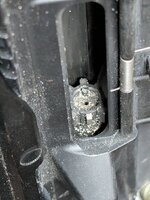
Right on. This does happen to be my home defense primary carry rifle and lives on the coast with me so that makes a case for the nickel brass. Here's a pic of my bolt after I got home last trip.
PXL_20260526_052758355.jpg
 
I've not tested or made any observations with nickel plated. I'm told nickle plated is generally a poorer quality of brass. I only use nickel plated pistol brass in a daily carry pistol or bear country pistol just for corrosion resistance and reliability. Once fired, I'll toss it in the brass recycling bin. If I had a defensive only duty rifle I'd use nickel plate. daily carry weapons don't get shot a lot but are subjected to a lot of adverse conditions that would make all your rounds stick together and cause malfunctions.
Nickel plating has nothing to due with brass "quality". It is whatever quality the manufacturer makes their brass and then it is just nickel plated. Higher lubricity and corrosion resistance is the reasoning. However told you that has no idea what they are talking about.

to the OP. The standard nickel plating is super thin and if anything would highlight or give false pressure signs.
 
Is that sand?
Yup. whole island is pretty much solid sand and we get around. This isn't normal though, saw it when I went to clean it at home. I'm thinking the suppressor must have scooped it somehow when riding in the truck barrel down and went down the barrel into the action, however there were no sand particles in the barrel at all except for right at the chamber. I do keep the dust flap closed. This rifle goes with me even on the beach, very remote out there and there's a lot of drug activity. In April I found 80-100 kilos of individually wrapped cocaine bricks freshly washed up. I called it in and went back the next day and there were ebike tracks coming across the dunes and it was all gone. Usually the law brings a 4 wheeler over by boat to recover so don't think it was them.
 
Yup. whole island is pretty much solid sand and we get around. This isn't normal though, saw it when I went to clean it at home. I'm thinking the suppressor must have scooped it somehow when riding in the truck barrel down and went down the barrel into the action, however there were no sand particles in the barrel at all except for right at the chamber. I do keep the dust flap closed.
consider taping your barrel muzzle or putting a condom on it. It won't effect first round and will prevent accidental fouling
 
consider taping your barrel muzzle or putting a condom on it. It won't effect first round and will prevent accidental fouling
100% will be doing so from now on. There's always sand and particles everywhere but this was the first time it happened to that extreme. It was also blowing 25+ sustained for an entire week and the surf was nasty. In the buggy I hang the AR from a rack on the roof and it's possible I may have parked with the barrel facing into the wind while running the beach looking for treasure. Tape would completely solve that issue. I have a bunch of suppressor condoms I'll try first but they get shredded pretty fast.

Anyhow, I hadn't even considered it but it looks like nickel plated brass is the right call for this rifle lol.
 
Back
Top