Turkeygetpwnd38
WKR
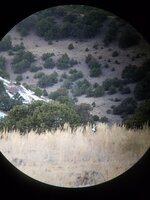
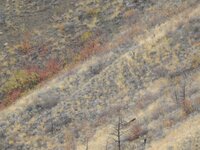
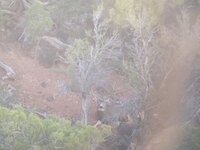
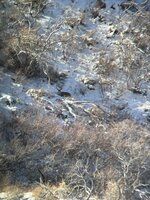
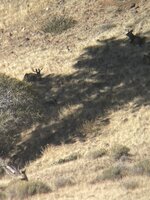
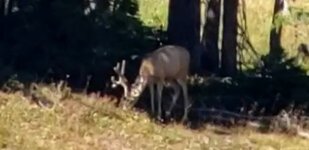
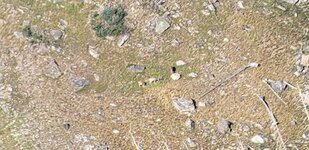
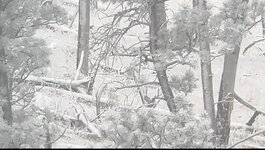
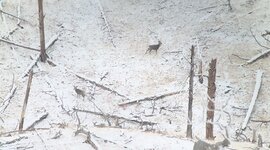
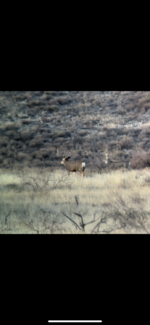
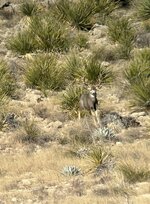
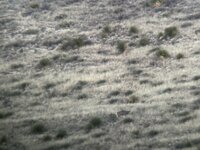
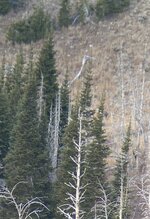
Some are easy to see, some aren’t. Here is a few from this season.

Follow along with the video below to see how to install our site as a web app on your home screen.
Note: This feature may not be available in some browsers.

this is great advice.Don't have any pictures, but here are some pointers, in no particular order, that should make you more effective:
- Glass through a hierarchy. Start by glassing with your naked eye, when you have the largest perspective its easiest to pick out movement and any major contrasts. This is also important to identify any dead space (topographical or concealment) and to identify the areas you can see and could effectively hunt. Then move to binos and finally your spotter. Depending on the area I am glassing, I will be on my binos for 80% of the time and spotter for 20%.
- Glass right to left, studies have shown that this will cause your mind to process the visual information more effectively as humans are used to processing things from left to right and have a tendency to overlook things due to the familiarity of information and the drive to do things quickly. Brady Miller got me onto this and I think there is truth behind it.
- When you don't turn up any animals within the area you are glassing, start looking for mule deer butts or antlers - something specific. This helps your mind continue to break down the same visual information in different ways. If you're eyes/ brain are looking to identify whole animals they may not register the white rump sticking out from behind sagebrush.
- Take breaks! You're going to be spending hours a day glassing and the longer you sit without seeing anything the less effective you are probably becoming behind the glass. Sometimes for me this just means heating up a drink in the jetboil and sitting back taking in the moment and letting your mind be at ease. Other times its nice to get up and move around - if you do this remember there may be animals that can see you.
Yeah you weren’t kidding. I can’t find the doe…doesn’t bode well for my next hunt haha.
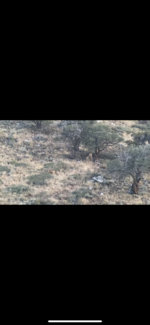
Is there a buck there too?Depending on where you are looking for them it can become extremely difficult to find them however in other instances they stick out like sore thumbs. Here’s an example of an extremely difficult one to find. I spotted this doe purely because it flicked its ear. I’m inviting everyone to try and find the deer in this picture. I’m sure some people will find it easily however it is bedded down and not easy to find.View attachment 500864

He never saw that oneIs there a buck there too?

LOL!!!!!He never saw that one
LOL!!!!!
Seriously, Im Not sure I’m seeing the doe or a buck,but “what” i do see could be a buck.
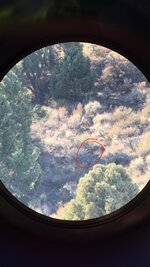
Yip I was looking at something else thinking it was a buck. See my circle below
 I need glassing lessons. See OP, you’re not so bad.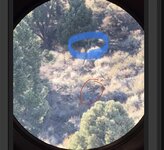
Come now Robby, at least your Momma thinks you’re specialcomplete failure

Poor lady lolCome now Robby, at least your Momma thinks you’re special
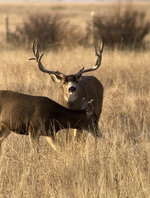
Unfortaunetly there was no buck with this doe or at least that I know of hahaha this was down in Nevada and they just disappeared in that sagebrush.Is there a buck there too?

 ….
….


I see what looks like antlers to the right of Robbie's blue circle, same elevation as top blue line. Thought the doe was just right (almost under) of Robbie's blue circle even with lower blue line. LOL!Yip I was looking at something else thinking it was a buck. See my circle below
didn’t see the doe.. complete failure
View attachment 501557