Elk Habitat (ID)

4phw

FNG
Joined
Apr 12, 2026
Messages
99
Have a particular B tag in ID and currently looking at different options I have as I’m solo. Planning on hunting central ID the first week of Nov or so.
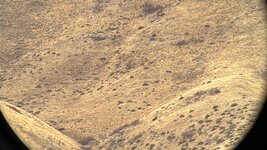
My question is- Are bulls typically found in terrain similar to this that time of year? Or would I be better off in timber/ higher up? Just curious what you’ve found.
 

Attachments

  • IMG_3791.jpeg
    IMG_3791.jpeg
    317.2 KB · Views: 70
That unit has elk in every part of it. There are areas like that that have elk year round and some that never have them. A ton of deer migrate down out of the mountains but the majority of the elk don’t they just go low enough for good feed.
 
That unit has elk in every part of it. There are areas like that that have elk year round and some that never have them. A ton of deer migrate down out of the mountains but the majority of the elk don’t they just go low enough for good feed.
Good to know! I was going to go up this weekend scouting to see how the roads are and what not. Would be sweet to see a bull down in that stuff too! Didn’t even think they’d be there year round.
 
Good to know! I was going to go up this weekend scouting to see how the roads are and what not. Would be sweet to see a bull down in that stuff too! Didn’t even think they’d be there year round.
They will be if there is water, looks like plenty of feed.
 
Have a particular B tag in ID and currently looking at different options I have as I’m solo. Planning on hunting central ID the first week of Nov or so.
My question is- Are bulls typically found in terrain similar to this that time of year? Or would I be better off in timber/ higher up? Just curious what you’ve found.
What looks like a bare hillside on your picture will in fact have a ton of micro-terrain where the elk can be.

You’ll be staring at the hill, feeling like you’ve glassed every nook and crannie. 10min later you’ve got 5 rag horns out feeding like they own the place.

Case in point: here is a similar type of hill, in the same general area of Idaho, at roughly the same time of year as your tag.
IMG_0024.jpeg
 
What looks like a bare hillside on your picture will in fact have a ton of micro-terrain where the elk can be.

You’ll be staring at the hill, feeling like you’ve glassed every nook and crannie. 10min later you’ve got 5 rag horns out feeding like they own the place.

Case in point: here is a similar type of hill, in the same general area of Idaho, at roughly the same time of year as your tag.
View attachment 1092844
Makes me excited to see! I knew there were elk in that and it still took me a sec haha. There seems like there’s a lot of area I can backpack 1-3 miles and (hopefully) have some elk to myself. Great learning experience either way.
 
What looks like a bare hillside on your picture will in fact have a ton of micro-terrain where the elk can be.

You’ll be staring at the hill, feeling like you’ve glassed every nook and crannie. 10min later you’ve got 5 rag horns out feeding like they own the place.

Case in point: here is a similar type of hill, in the same general area of Idaho, at roughly the same time of year as your tag.
View attachment 1092844
Conversations like this are why Rokslide is such a great platform. I have recently changed hunting spots from a heavily timbered mountain range to more of this type of open country. I feel so out of my element when e-scouting and when I was out in the field. The familiar features I would look for in my previous spots don't look as obvious in this type of country and I'm not sure they are as relevant.

Specifically, when e-scouting terrain like this, do you prioritize certain features more than others (Water, Feed, Timber/Cover, Slope, Benches, Saddles)?

How do you zero in on feed when everything looks brown? Along creeks/rivers the feed is more obvious because its greener. But how about on a big open hillside like your picture? Do you know specifically what elk are eating in this example?

When it comes to bedding and cover, do you find elk bedding in the wide open but using pockets that create security? Or is it more likely that they will look for clusters of trees or thick brush to bed in?

Appreciate any and all feedback on this topic!
 
So… late season elk habitat and feed is a huge topic, and I won’t do it justice here.

But basic principles that I use/follow:
The elk want to minimize movement, maximize energy stores for winter. They’ve moved down from the timber and are trying to fill up on high protein grasses/forbes.

They put themselves in positions where they can smell and see threats coming.

So, I find an area that I’m interested in, then hike the ridgeline. I find relatively thick brush and vegetation clustered on the tops of these ridges, and I start looking for elk droppings/prints. Once I find that, I stay put and glass for a few hours.

Eventually, with much patience, the elk in the area will move and get themselves noticed. The question to finding them depends on your ability to endure cold/wind/boredom, while also covering enough high ground to catch a viewing angle on the herd/band of elk.
 
(Continued)

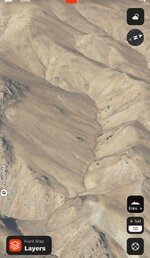
So my e-scouting is more focused on building routes to evaluate ridgeline complexes and foothills. I’m most concerned with my travel route and lines-of-sight.

Google earth allows for field of view/line of sight evaluations based on a dropped pin. This is a tool I use heavily when evaluating a new area.

I’m specifically looking for ridgelines that have brush pockets at or near the top elevation band. These are places that will shield elk from the wind, provide feed, and give their noses an advantage over predators. I mark these waypoints, and then build my routes to evaluate them.
 
Back
Top