Tourists always know better than locals.
Most locals no matter what the area hate change. Raising cattle is all many of the locals know out there, so any change to that norm is perceived as bad.

Follow along with the video below to see how to install our site as a web app on your home screen.
Note: This feature may not be available in some browsers.
Tourists always know better than locals.

From what perspective are you saying that from? The old protest signs you see along the highway or did you have grazing allotments that your family has sold? They work with open neighbors and graze a lot more cattle than bison. I don’t view the APR as bully’s.The APR is more popular the farther from Montana you get.
Their neighbors are not very fond of them.

What is everyone afraid of, too much conservation in too big of space?
The largest corporations and richest people in the world acquiring vast tracts of land in central montana through a third party non profit as part of a social engineering project aligned with the corporate esg policies of the companies the board members sit on? I see potential for red flags.
I'm very confused, you make claims but then immediately follow up with I don't know. Public land access and hunting is governed by state and federal laws, not leasees. They can't reintroduce predators legally.ECONOMIC
Removing 500,000 cattle from the landscape in an area that is totally dependent on agriculture is more than just “change”. Think of all of that leather, wool and meat lost to the national economy. How many megatons of hay is lost? How many millions of our tax payer dollars went into the Conservation Reserve Program that paid out to ranchers, farmers over the decades? How many millions of tax payer dollars is recouped by grazing leases? How much Iowa corn do you think is fed to 500,000 cattle to finish them out? Last but not least, how many billions of tax dollars are lost if 500,000 cattle never make it to market? On that scale it’s not just about Montana.
PUBLIC LAND USE
American Prairie was given access to approx 2.5 million acres of surrounding BLM land for biodiversity restoration and preservation during the Obama Administration. That access would exclude any consumptive uses including: hunting, fishing, trapping and cattle grazing. Bison grazing is considered to be a net positive for biodiversity credits as well as any endangered species including grizzlies and wolves. Some of that access was apparently removed in Trump one and most recently, the rescission of the Public lands use rule of 2024.
Carbon and biodiversity credits were to be sold from the Public land leases. I have not been able to find where this is at. However Defenders of Wildlife is currently implementing a Biodiversity Credit program on the Fort Peck Reservation. This is where CBD, DOW and EJ come into play. AP currently has access to approx. 387,000 acres of public lands. It is not known (to me) what the actual public uses are for the current leases. AP was grazing bison on 63K acres but those leases were all rescinded.
WILDLIFE MANAGEMENT
Since the goal is re-wilding and preservation, there isn’t any wildlife conservation goals implemented that are established by the NORTH AMERICAN WILDLIFE CONSERVATION MODEL. AP’s position is that wildlife isn’t owned by the public but is part of the land. Ungulates are considered food for apex predators and are only to be hunted by indigenous humans. Basically leave it all alone and limit any human interaction.
PREDATORS
In the following Google presentation that was made about 11-12 years ago, there were not any Grizzlies or wolves there, but they have grizzlies on their property today. No one has mentioned the current population of wolves. Also the presentation mentions selling carbon credits but not biodiversity credits because the presentation was before the Kunming-Montreal Global Biodiversity Framework of 2022.
What difference does it make if the land is off limits to public hunting? Turner does the same thing that AP does here in New Mexico. He buys up half a million acres or more at a time and puts conservation easements on the properties. Our largest bighorn sheep herd of 250 animals is locked up on his property. He cut a deal with the Dept of War to lock up some of the Oryx, so now next year there won’t be a public draw hunt for seniors.Would you rather had something like the Wilks Brothers or the LDS church buy it? See how easy it is to access their lands. There’s red flags in a lot of things in life. I find the APRs mission to restore Montanas prairie ecosystem fascinating. Especially since they’re also doing this on BLM land. There’s a lot of great ranchers out there that value wildlife and habitat but it seems like they often forget their values when their cattle are grazing BLM lands.
Do they have an end goal to destroy civilization as we know it, maybe, but I’ll let you worry about those red flags.
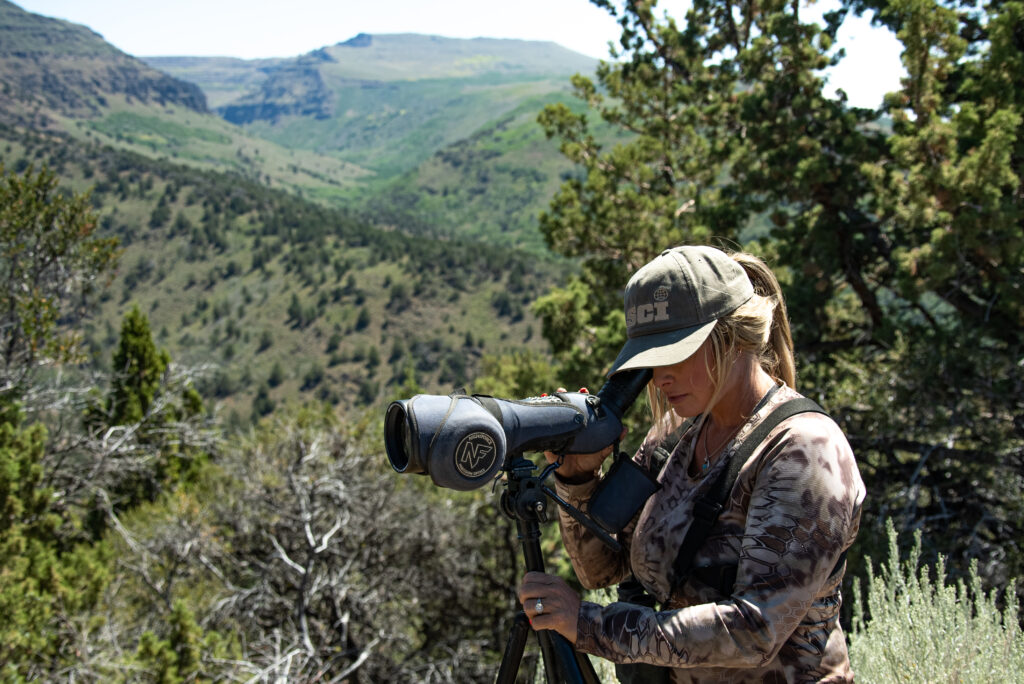
 safariclub.org
What difference does it make if the land is off limits to public hunting? Turner does the same thing that AP does here in New Mexico. He buys up half a million acres or more at a time and puts conservation easements on the properties. Our largest bighorn sheep herd of 250 animals is locked up on his property. He cut a deal with the Dept of War to lock up some of the Oryx, so now next year there won’t be a public draw hunt for seniors.
“The New Mexico Land Conservancy and the Department of Defense recently completed one of the nation’s largest conservation easements at the Armendaris Ranch in southern New Mexico.”
Sure, there’s no difference other than if the purchaser are good land stewards and work to improve habitat and biodiversity. And don’t actively harass wildlife to harbor them on their property, there’s no difference. I’m not pointing to any individuals, just saying these are benefits to everyone if the purchaser has these goals and standards.What difference does it make if the land is off limits to public hunting?

Economic. They run 10x more cattle than Bison on their lands.ECONOMIC
Removing 500,000 cattle from the landscape in an area that is totally dependent on agriculture is more than just “change”. Think of all of that leather, wool and meat lost to the national economy. How many megatons of hay is lost? How many millions of our tax payer dollars went into the Conservation Reserve Program that paid out to ranchers, farmers over the decades? How many millions of tax payer dollars is recouped by grazing leases? How much Iowa corn do you think is fed to 500,000 cattle to finish them out? Last but not least, how many billions of tax dollars are lost if 500,000 cattle never make it to market? On that scale it’s not just about Montana.
PUBLIC LAND USE
American Prairie was given access to approx 2.5 million acres of surrounding BLM land for biodiversity restoration and preservation during the Obama Administration. That access would exclude any consumptive uses including: hunting, fishing, trapping and cattle grazing. Bison grazing is considered to be a net positive for biodiversity credits as well as any endangered species including grizzlies and wolves. Some of that access was apparently removed in Trump one and most recently, the rescission of the Public lands use rule of 2024.
Carbon and biodiversity credits were to be sold from the Public land leases. I have not been able to find where this is at. However Defenders of Wildlife is currently implementing a Biodiversity Credit program on the Fort Peck Reservation. This is where CBD, DOW and EJ come into play. AP currently has access to approx. 387,000 acres of public lands. It is not known (to me) what the actual public uses are for the current leases. AP was grazing bison on 63K acres but those leases were all rescinded.
WILDLIFE MANAGEMENT
Since the goal is re-wilding and preservation, there isn’t any wildlife conservation goals implemented that are established by the NORTH AMERICAN WILDLIFE CONSERVATION MODEL. AP’s position is that wildlife isn’t owned by the public but is part of the land. Ungulates are considered food for apex predators and are only to be hunted by indigenous humans. Basically leave it all alone and limit any human interaction.
PREDATORS
In the following Google presentation that was made about 11-12 years ago, there were not any Grizzlies or wolves there, but they have grizzlies on their property today. No one has mentioned the current population of wolves. Also the presentation mentions selling carbon credits but not biodiversity credits because the presentation was before the Kunming-Montreal Global Biodiversity Framework of 2022.
Large tracts of land could be (and are) purchased that were in a public hunting access program. If the new owner puts everything into a conservation easement that does not allow public access or maybe they allow very limited access, tags are pulled out of the public draw. Fewer tags means less wildlife management funds available to state fish and game depts.Sure, there’s no difference other than if the purchaser are good land stewards and work to improve habitat and biodiversity.
Neither…I am merely trying to get hunters to understand that recruiting the family rancher, farmer for public hunting is extremely important to save our hunting, fishing and trapping. State fish and game depts can accomplish that objective (and already have) by paying the landowner dollars per acre for habitat improvement.I’m not sure if you’re disposition it because you don’t have the financial backing to buy large chunks of property or you just oppose ‘certain’ groups working to improve habitat.
Hunting is extremely limited on their property. Public access in general is also limited. About all it amounts to is a carat being dangled in front of the public. They have already stated repeatedly that they buy into carbon sequestration. AP properties are going into conservation easements. Their partnership with Defenders of Wildlife is to sell biodiversity credits from their deeded acres as well as the public lands under their management. Their bison grazing leases on BLM lands could have been a means to those ends.As for as allowing hunting and access, I’m sure you already know that APR allows hunting, fishing, hiking, wildlife viewing,… What is your point with this statement if it’s not true? Call your elected officials and voice your concerns, I sure know I do

Spending inordinate amounts of time carrying a shotgun and following a pointing dog in that country over the last 15 years is where my perspective comes from. Being friendly and talking to folks, eating and staying in the surrounding communities, hunting public land and block management.From what perspective are you saying that from? The old protest signs you see along the highway or did you have grazing allotments that your family has sold? They work with open neighbors and graze a lot more cattle than bison. I don’t view the APR as bully’s.
Bison are managed as livestock and the APR has every right to keep grazing bison on their allotments.
What is everyone afraid of, too much conservation in too big of space?
Neither…I am merely trying to get hunters to understand that recruiting the family rancher, farmer for public hunting is extremely important to save our hunting, fishing and trapping. State fish and game depts can accomplish that objective (and already have) by paying the landowner dollars per acre for habitat improvement.
The 8,000 cattle are owned by neighboring ranches that lease AP property for grazing. AP has very strict rules on those grazing leases. Apparently they have reached what their wildlife managers consider to be bison carrying capacity on their deeded acres. I say that because they haven’t increased their bison population in some time.Economic. They run 10x more cattle than Bison on their lands.
Sean Gerrity’s tin hat….go watch his presentation.Public land use. As has already been discussed, a grazing lease does not allow the lease holder to exclude anyone from pursuing any legal hunting on that land. It ONLY allows them to graze livestock.
For the rest of this, tinfoil is in the top drawer. Use multiple layers for best performance.
I’ve hunted out there for many years for birds and big game. Have had great conversations with the rangers, just never brought up the APR conversation nor did they. Some of them are direct neighbors to APR property.The only people that like the APR are tourists. The locals overwhelmingly don't like their new neighbors.
Do you have any actual experience in those communities? What percentage of their neighbors would you say are "open"?